Written by: Xeni Symeonidou, Hellenic Centre for Marine Research
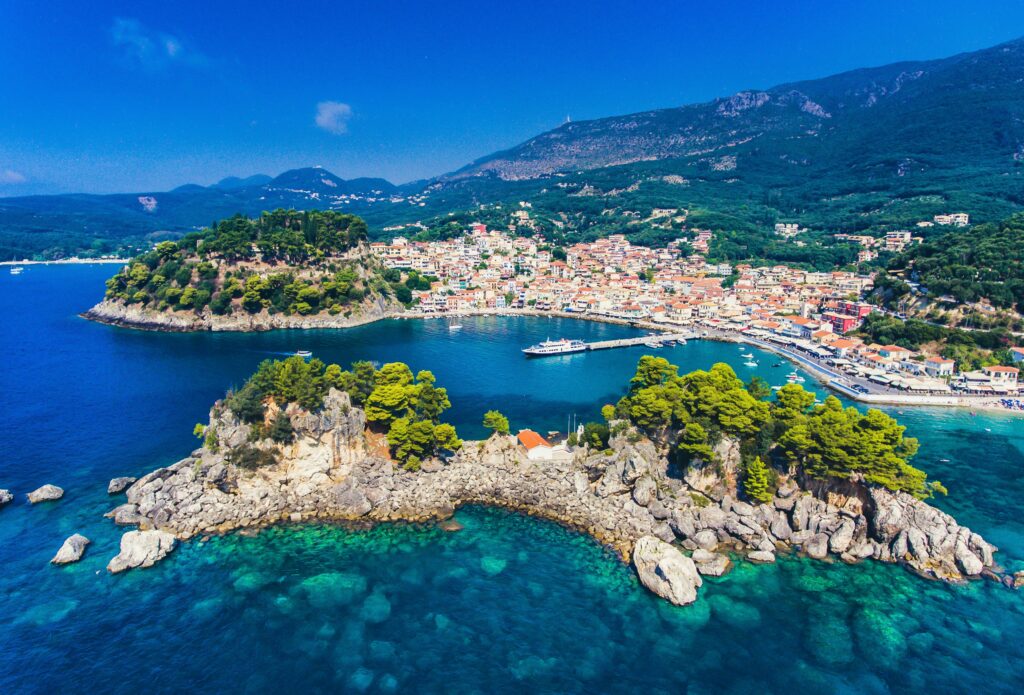
Greece has always been a country defined by its sea. But how much do people actually know about marine life here? What do students learn about the ocean — in school or beyond? And is marine protection something that Greek society genuinely cares about?
Being part of BlueLightS has helped us begin to answer some of these questions, and to better understand the obstacles standing in the way of a “blue” education in our country.
The Challenges We Identified
The first and most visible gap was the near absence of marine topics in school curricula. Unlike genetics, molecular biology, or land-based environmental science, the sea rarely receives dedicated attention in Greek classrooms. A new sustainability framework launched recently by the Ministry of Education offers a window of opportunity — it encourages labs, environmental projects, and active citizenship — however, marine and freshwater education is not placed at its core. Instead, the responsibility for including ocean-and water-related content has been left entirely to individual teachers.
This brings us to the second challenge: the lack of resources and training available to teachers and other educators. In Greece, it is not uncommon for secondary school teachers to teach subjects outside their field of specialization — a physics teacher may end up teaching biology or geography, for example. Asking these professionals to independently develop marine and water education activities, on top of an already demanding workload, is simply not realistic.
With these challenges in mind, HCMR set four main objectives through BlueLightS:
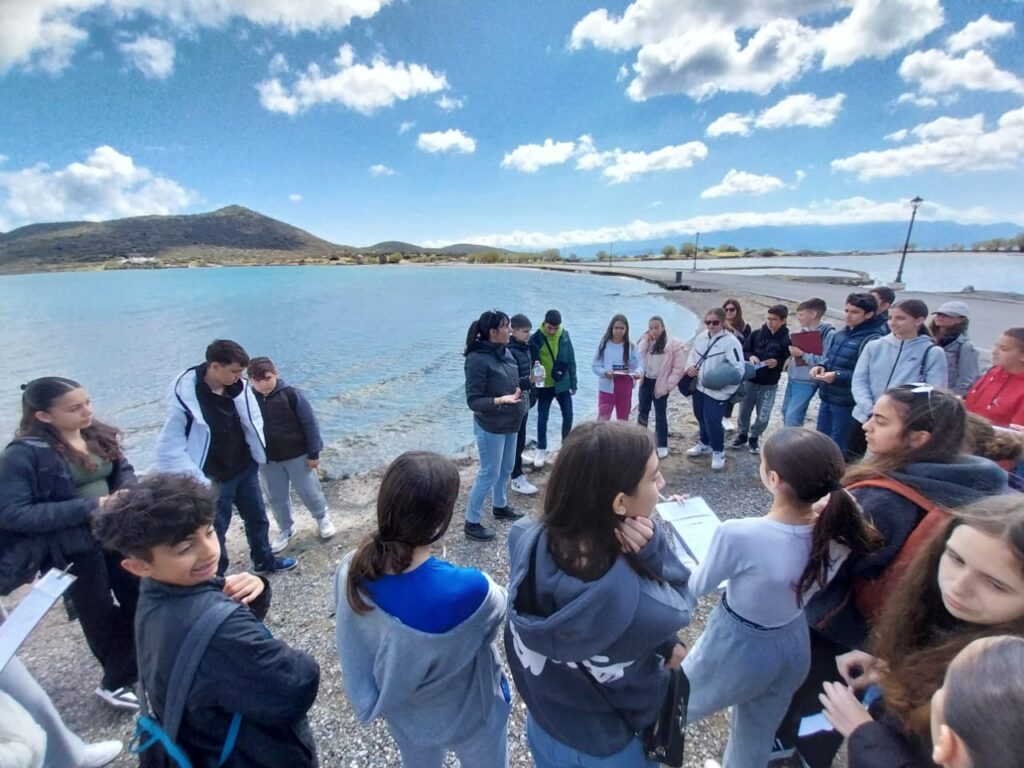
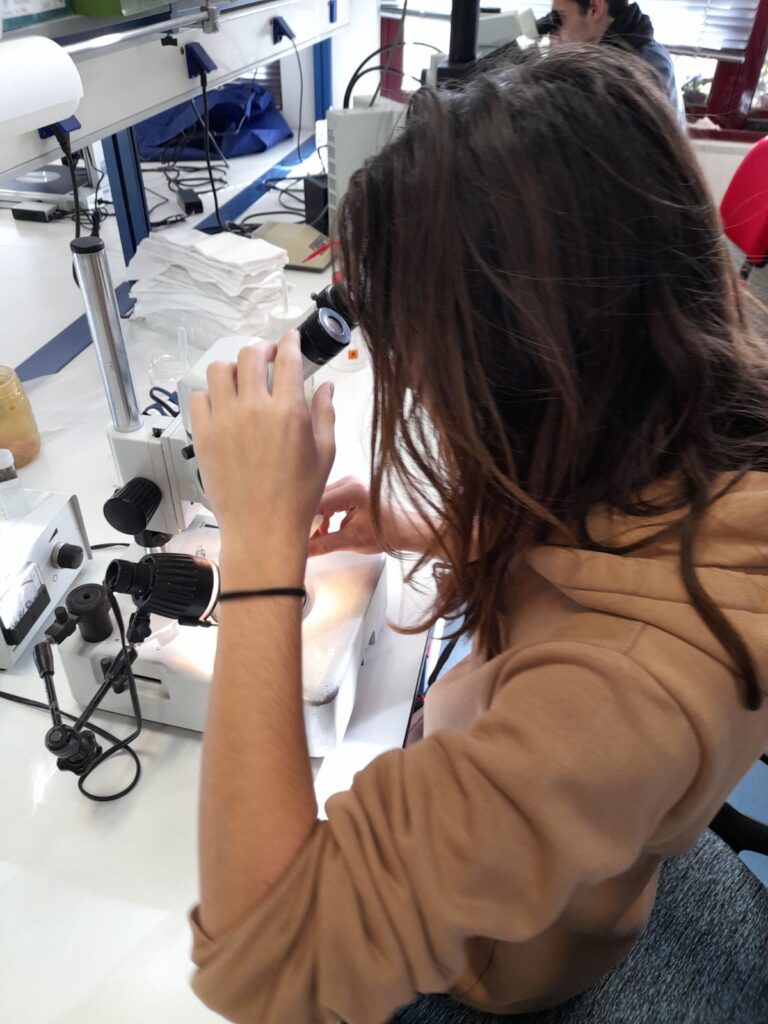
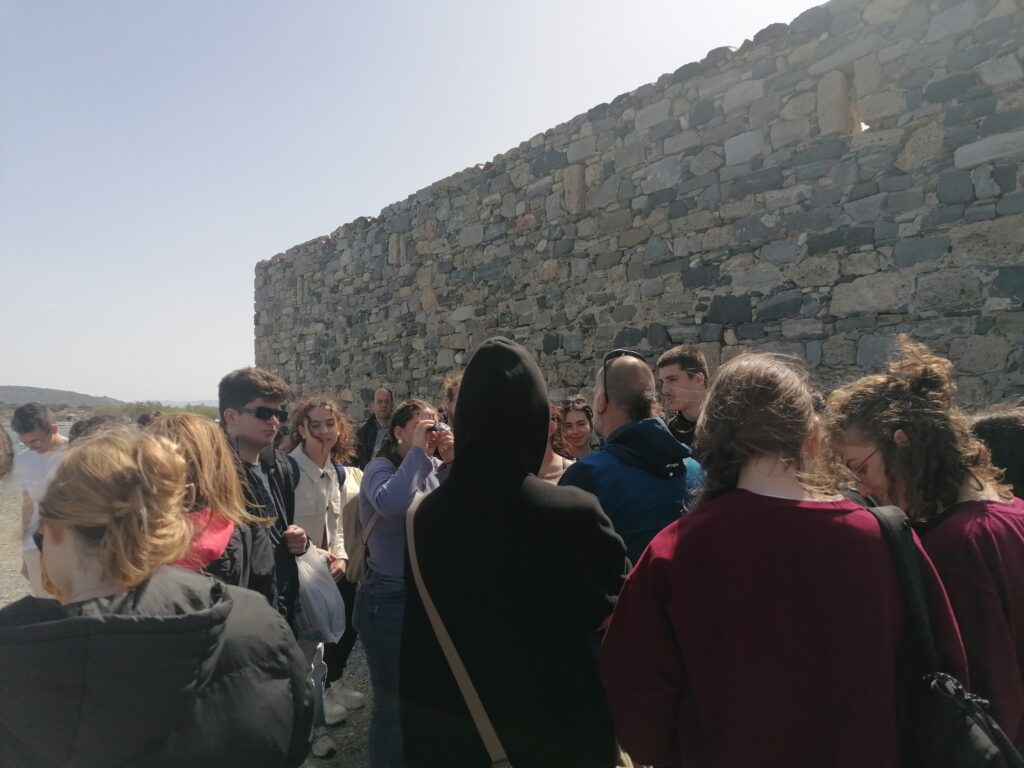
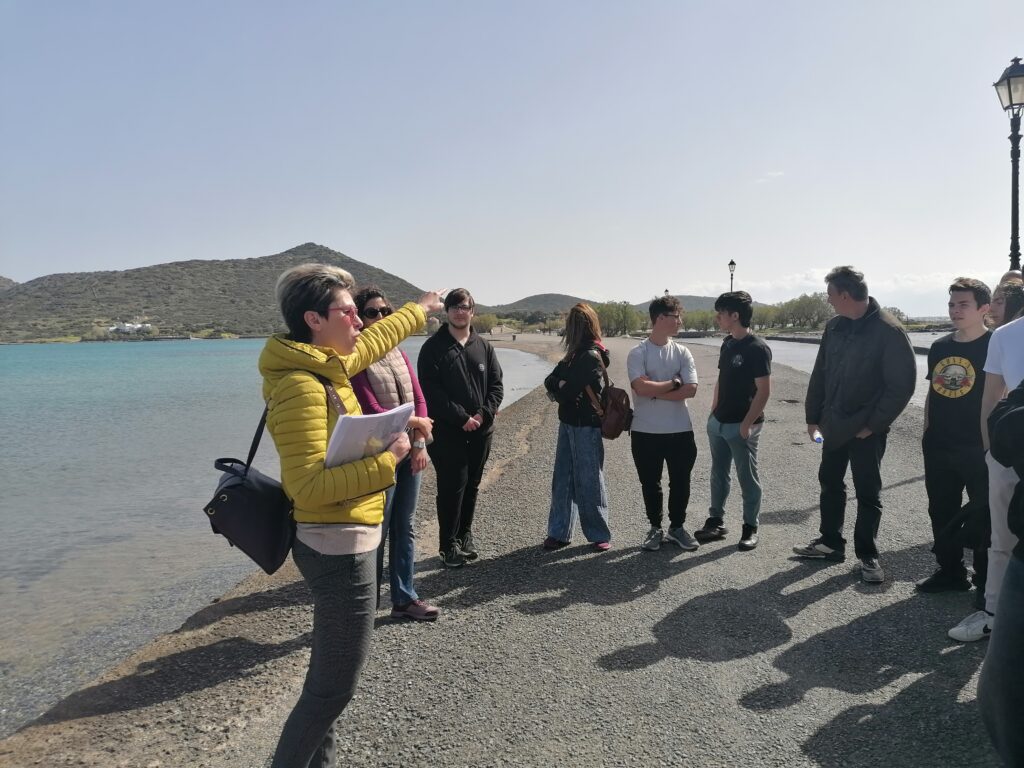
- Supporting schools working on marine- and water– related projects, and hosting visits to HCMR facilities so students can experience marine and freshwater science firsthand, thus promoting Network of European Blue Schools.
- Contributing to piloting and promotion of Educational Areas in Greek schools — an initiative designed to connect schools with nearby coastal marine or freshwater environments (for more: https://ofb.gouv.fr/les-aires-educatives).
- Organising teacher training webinars/seminars at both primary and secondary level on blue education topics.
- Developing an assessment tool to measure students’ ocean literacy and evaluate the impact of blue education activities.
What We Have Achieved So Far
Now, midway through the project, it is a good moment to reflect on what has been accomplished — and where we still need to focus our efforts.
HCMR has not only presented its work at conferences, but has also built concrete, ongoing relationships with teachers, school principals, and other stakeholders involved in education. Three Educational Areas have been established across three different regions of Greece (Ag. Nikolaos of Crete, Kalamata and Thessaloniki), and we have been supporting them to understand the needs of the teachers/educators. An assessment tool has also been developed for one teaching intervention carried out in Ag. Nikolaos of Crete, but also to understand the levels of Ocean Literacy of the students in the wider area.
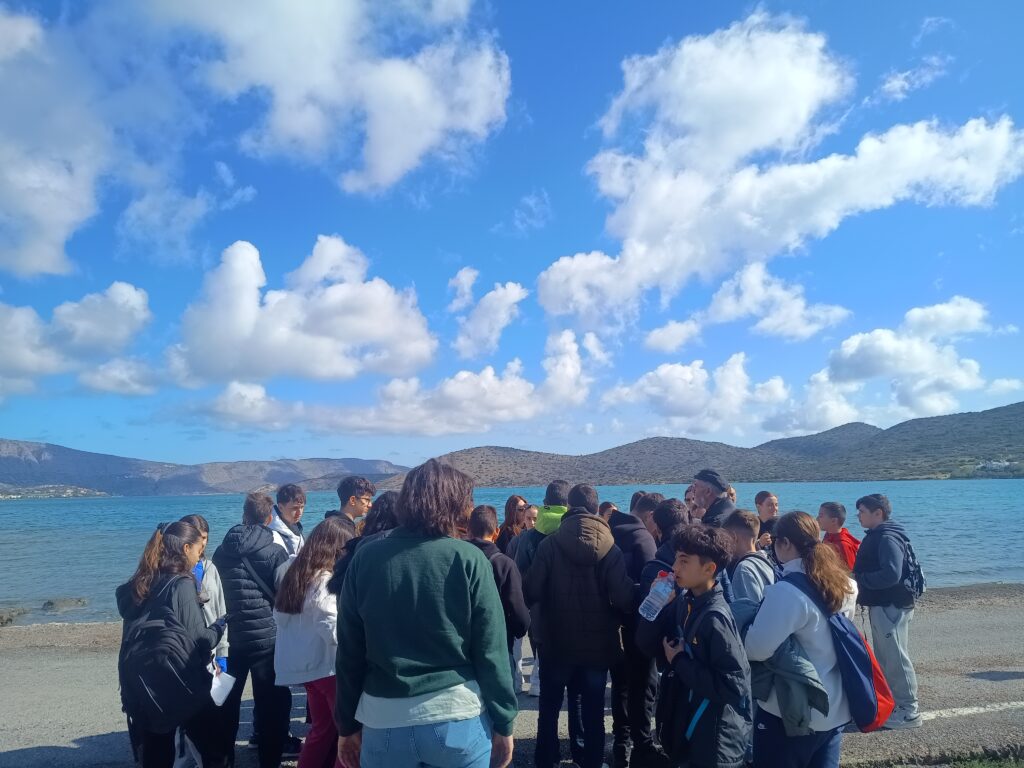
One particularly encouraging sign is that since the launch of BlueLightS, more than 150 schools across Greece have been awarded the title of Blue School. The project’s visibility and the prospect of funding for blue projects have clearly inspired teachers/educators to invest time and creativity in ocean- and water-related activities. Furthermore, the BlueLightS platform now counts around 90 Greek members — a sign of real interest and curiosity towards blue education. HCMR itself is directly supporting nearly 30 schools in Crete alone annually, providing relevant presentations, field work and and lab activities for students of all ages.
What Needs to Change
Our self-reflection has also brought into focus what still needs to happen. Teachers need access to complete, ready-to-use educational resources that are straightforward and practical. At a policy level, there is a clear need to push national decision-makers to formally include marine and freshwater topics and integrate blue education into national strategies. And finally, stronger collaboration — both locally and internationally — is essential to keep blue education visible and relevant in Greece.
Our Commitments Going Forward
Looking ahead, HCMR is committed to ensuring that schools and the wider public continue to have access to the information they need to become informed, engaged citizens regarding the marine and freshwater environment — even after the BlueLightS project comes to a close.
We are working on developing lesson plans in Greek for teachers who are looking for creative, engaging ways to bring the ocean and water into their classrooms, as well as webinars to help them feel more confident with the relevant material. Through our participation in EMSEA, EuroGOOS Ocean Literacy Working Group and EU4Ocean Coalition as well as BlueLightS project and the IOC-UNESCO Ocean Literacy Action Plan, Greece is also actively contributing to international efforts to formalize blue education. We remain committed to supporting EAs and Blue Schools, and we warmly welcome visits from schools or institutions that want to learn more about our work.
Finally, one of our key goals is to build a national network of blue stakeholders — people and organizations that are passionate about bringing ocean literacy and marine and freshwater topics closer to the Greek citizens. The challenges ahead are real, but so is the enthusiasm of those who want to make a difference.
If you are a school, teacher, or principal looking for support, if you want to learn more about BlueLightS project, Blue Schools, or EAs, or if you are a stakeholder interested in joining the national network targeting to establish the UN Ocean Decade national committee— please reach out to us through the Greek Blue Schools group on the BlueLightS platform (https://blue-lights.eu/groups/) or through email.
We look forward to hearing from you!

Want to learn more about our project and register?
Register or log in to the Blue Education Platform!