The Swedish BlueLightS experimentation project concentrates on the island of Gotland. Here we aim to give schools opportunities to learn more about the ocean and the Baltic Sea. The goal is to increase ocean literacy – understanding how the sea works, why it is important, and how people can protect it. The project connects schools, scientists, and local organizations so that learning about the sea becomes practical and inspiring.
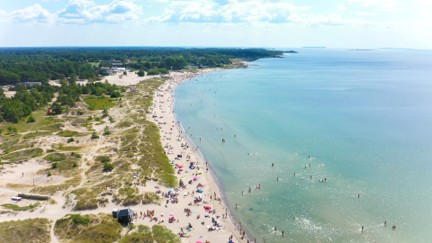
Facts: Gotland Gotland is a Swedish island in the Baltic Sea with about 60,000 inhabitants. In the summer the population increases by a tenfold. The tourists come to enjoy the beautiful scenery and history on this land that in ancient times was a large coral reef, and later, in the Hansa-period, an important trading spot . They contribute a lot to the local community, but also put a strain on resources such as the supply of drinking water that can become scarce in the summer months. But not only in the summer months. Lately the supply has been strained also during other seasons.
Working Together
The schools work together with organizations such as the Fenomenalen Science Centre, Uppsala university, the Swedish Angler Association, naturum Vamlingbo (nature centre) and various other actors. Scientists guide students during field activities, and organizations provide materials and support for learning.
This collaboration helps teachers and students connect classroom learning with real-life experiences.
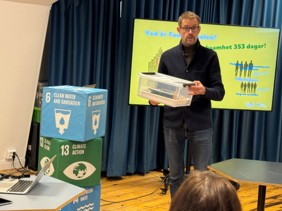
Teachers training at Fenomenalen, Science Centre, Visby. Mårten Sahlin presents their work with SDG:s and the connection to the Baltic Sea.
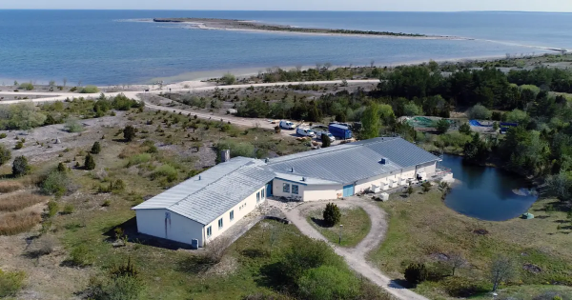
The collaboration site – Marine Station Ar – right by the Baltic Sea.
Teachers and Training
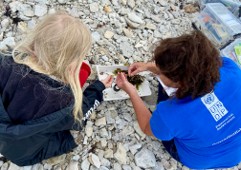
Teachers are supported through training events and cooperation with universities. For example, teachers learned about the Baltic Sea during a dedicated training day and discussed how to use this knowledge in lessons. Teacher students also joined educative field trips by the sea, guided by marine biology researchers.
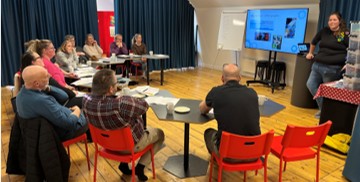
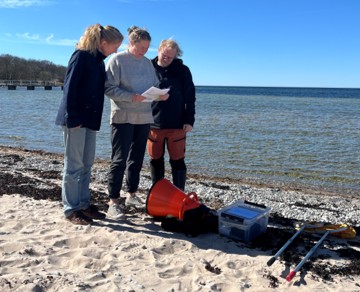
Teachers training at Fenomenalen Science Centr and The teachers get practical skills and experiences at the beach outside Visby.
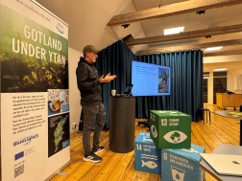
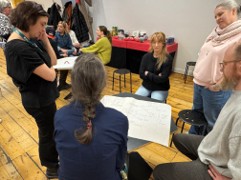
Joakim Lyander from The Swedish Anglers Association present their work with schools at the March Meet Up at Fenomenalen Science Centre. Introducing BlueLightS in Gotland, and creating ideas together at the workshop at Fenomenalen.
Students in Action
Students take part in hands-on learning. They visit the field station, collect samples, and study marine life. They compare freshwater and brackish water and learn how the different ecosystems work.
Their results are presented in class and shared in exhibitions, helping others to learn as well.
Events and Future Plans
Events such as Baltic Sea Day bring students and the public together to learn about the ocean. In the future, more schools will join the project, and students will take part in activities like the Baltic Sea Video Challenge.
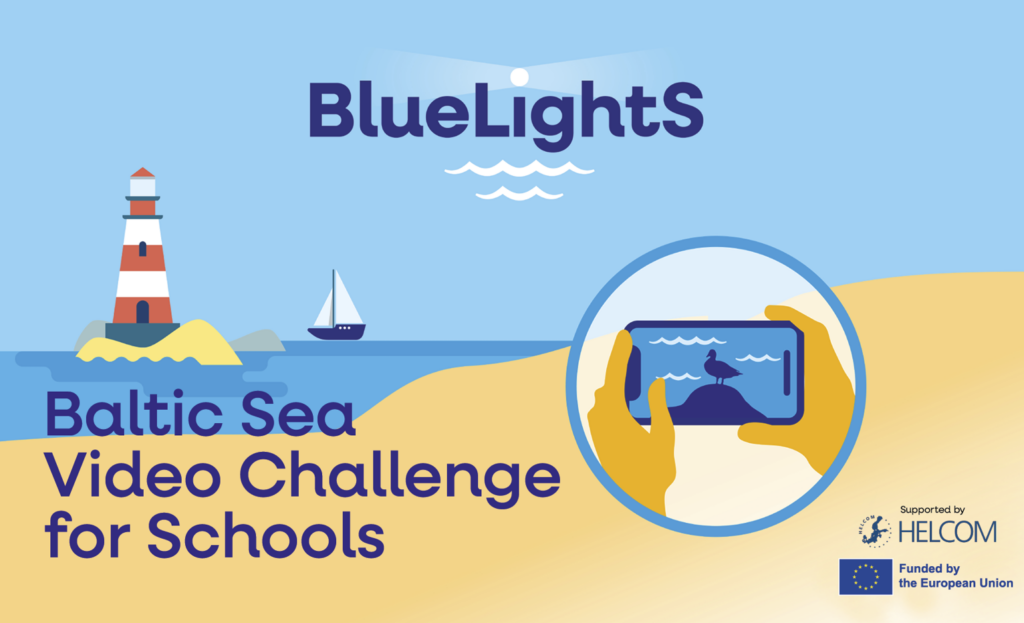
The Baltic Sea Video Challenge a collaboration with Blue LightS partner – SYKE Finland.
Why It Matters
The Baltic Sea faces challenges like eutrophication, pollution and climate change. By learning about these issues, students understand how they can help protect the environment. Moreover, the project helps young people become more aware, responsible, and interested in the ocean.
More about the Experimentation work at Gotland here: https://www.havsmiljoinstitutet.se/havsmedvetenhet/bluelights-projekt-for-mer-hav-och-vatten-i-skolorna/bluelights-pa-gotland
Read about the Baltic Sea Video Challenge here: https://www.havsmiljoinstitutet.se/havsmedvetenhet/bluelights-projekt-for-mer-hav-och-vatten-i-skolorna/baltic-sea-video-challenge
Want to learn more about our project and register?
Register or log in to the Blue Education Platform!