(English below)
En abril de 2024, una charla sobre medio ambiente encendió la chispa. Lo que empezó como una actividad más en el aula acabó transformándose en un proyecto que conectó a un grupo de estudiantes con el mar que tienen a pocos metros.
En El Masnou, un municipio costero al norte de Barcelona, el Instituto MareMar se sumó a la iniciativa de Escuelas Azules, una propuesta que busca acercar el océano al aula y fomentar la conciencia ambiental. Y fue a partir de ese momento, en que el equipo docente, junto a una investigadora y divulgadora local especializada en cultura oceánica, comenzó a dar forma a una experiencia educativa con vocación transformadora.
Con el apoyo del Instituto de Ciències del Mar (ICM-CSIC) y la Oficina Francesa de la Biodiversidad (OFB), el proyecto echó a andar. Una de sus claves fue la metodología elegida: las Áreas Marinas Educativas (AME), pequeños espacios del litoral gestionados de forma participativa por estudiantes para conocer y proteger el medio marino. Un enfoque que combina aprendizaje científico y compromiso ciudadano desde edades tempranas.
Para organizarse, el grupo de alumnos y alumnas creó una asamblea que pronto se convirtió en el motor del proceso. Allí tomaban decisiones, definían líneas de trabajo y repartían responsabilidades. Así nació el Consejo AME, un espacio que fomentó la autonomía, el trabajo en equipo y el sentido de pertenencia.
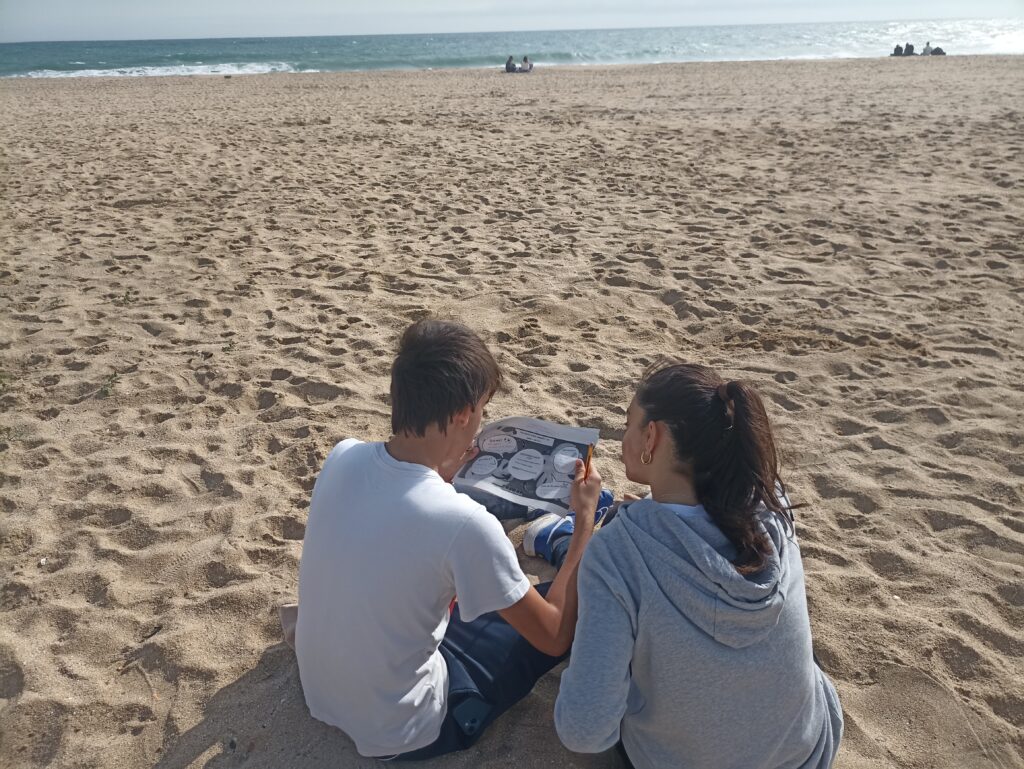
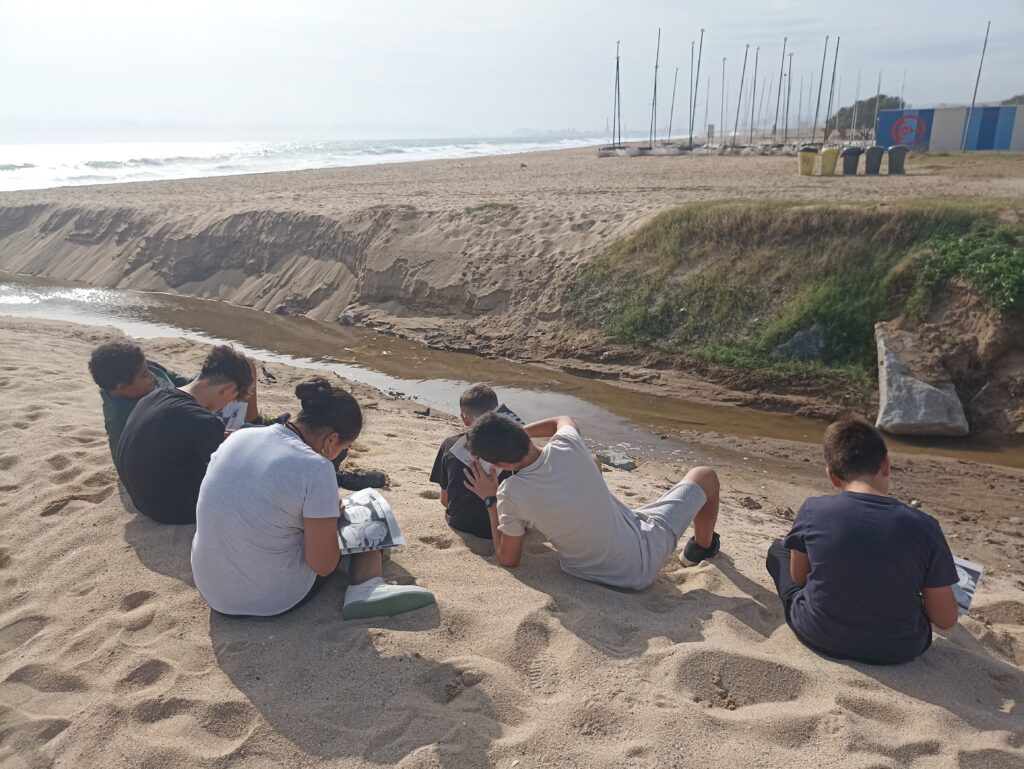
Las actividades no tardaron en llegar: talleres sobre posidonia, charlas con personal investigador del ICM-CSIC y salidas al litoral. También navegaron sobre praderas de posidonia, acercándose de forma directa al ecosistema marino.
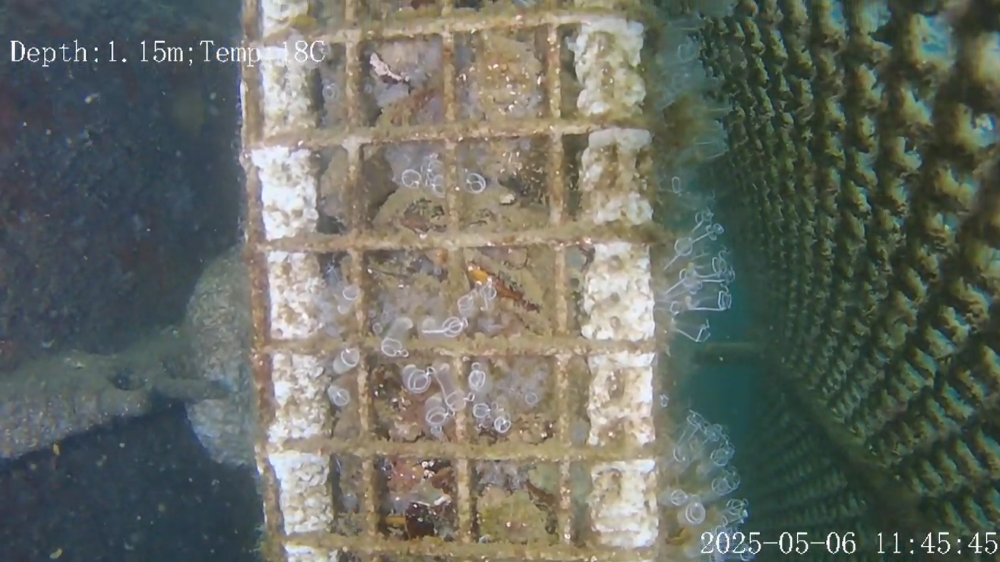
Meses después, el proyecto dio un paso más con la incorporación de microarrecifes artificiales. Instalados en entornos portuarios, estos dispositivos favorecen la biodiversidad y generan nuevos hábitats. Para el alumnado, supusieron una oportunidad única de hacer ciencia desde la observación directa. La asamblea tomó entonces una decisión clave: centrar su Área Marina Educativa en el seguimiento de los microarrecifes del puerto de El Masnou.
A partir de ahí, el trabajo se intensificó. Elaboraron fichas de especies, diseñaron infografías y analizaron tanto los riesgos como las funciones ecológicas de estos ecosistemas. Los datos recogidos se transformaron en conocimiento accesible, listo para ser compartido.
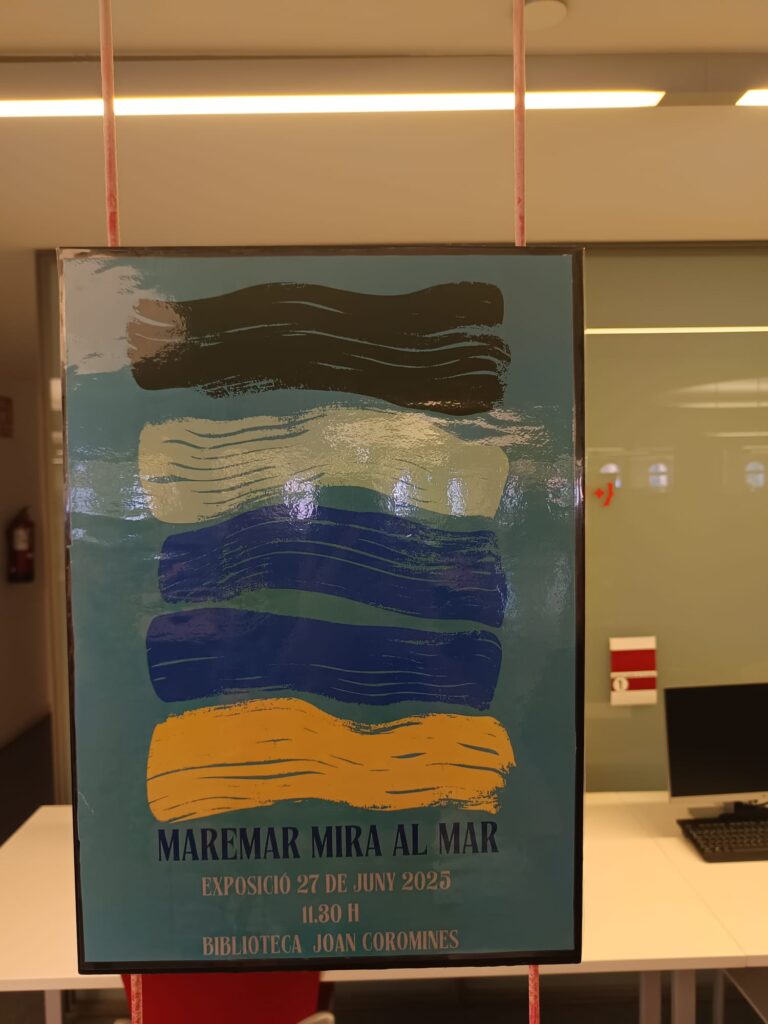
El proceso culminó con la exposición “MareMar mira al mar”, celebrada en la Biblioteca de El Masnou. Allí, los estudiantes presentaron su trabajo en una muestra abierta al público, acompañada de un coloquio. Más que una exposición, fue un ejercicio de diálogo con la comunidad.
Como reconocimiento, el centro obtuvo el distintivo de Escuela Azul y pasó a formar parte de la red europea de Blue Schools. Un paso más en un proceso que demuestra que otra forma de aprender -más participativa, conectada con el entorno y orientada a la acción- no solo es posible, sino urgente.
From the Classroom to the Sea: An Educational Experience Connecting Science, Community, and Participation
In April 2024, a talk on the environment sparked something new. What began as just another classroom activity soon turned into a project that connected a group of students with the sea just a few meters away.
In El Masnou, a coastal town north of Barcelona, Catalonia, MareMar Secondary School joined the Blue Schools initiative, a program that aims to bring the ocean into the classroom and promote environmental awareness. From that moment on, the teaching team, together with a local researcher and science communicator specialized in ocean literacy, began shaping an educational experience with a transformative vision.
With support from the Institute of Marine Sciences (ICM-CSIC) and the French Biodiversity Office (OFB), the project got underway. One of its key elements was the methodology: Marine Education Areas (MEA), small coastal spaces managed collaboratively by students to learn about and protect the marine environment. This approach combines scientific learning with civic engagement from an early age.
To organize their work, the students created an assembly that quickly became the driving force of the project. There, they made decisions, defined lines of work, and shared responsibilities. This led to the creation of the MEA Council, a space that encouraged autonomy, teamwork, and a sense of belonging. Activities soon followed: workshops on posidonia, talks with researchers from ICM-CSIC, and field trips to the coast. The students also sailed over seagrass meadows, gaining direct experience with the marine ecosystem.
Months later, the project took a further step with the introduction of artificial micro-reefs. Installed in port environments, these structures support biodiversity and create new habitats. For the students, they offered a unique opportunity to do science through direct observation. The assembly then made a key decision: to focus their Marine Education Area on monitoring the micro-reefs in the port of El Masnou.
From that point on, the work intensified. The students created species fact sheets, designed infographics, and analyzed both the risks and ecological functions of these ecosystems. The data they collected was turned into accessible knowledge, ready to be shared.
The process culminated in the exhibition “MareMar Looks to the Sea,” held at the El Masnou Library. There, the students presented their work in a public exhibition accompanied by a discussion session. More than just an exhibition, it became a space for dialogue with the community.
In recognition of their efforts, the school received the Blue School label and joined the European Blue Schools network. It marked another step in a process that shows a different way of learning, more participatory, connected to the environment, and action-oriented is not only possible, but necessary.
Want to learn more about our project and register?
Register or log in to the Blue Education Platform!