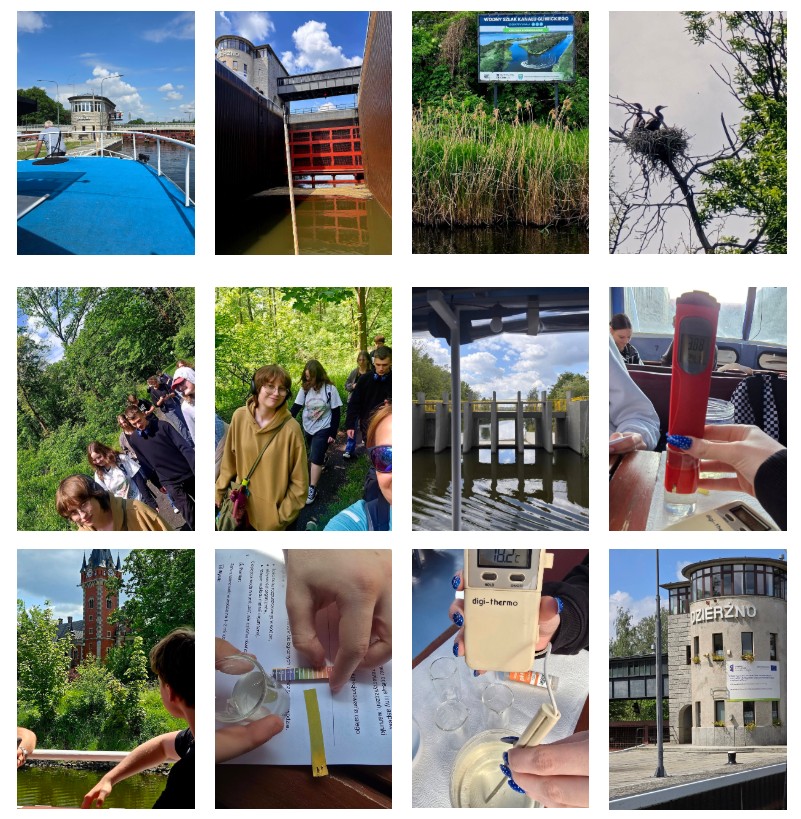
-
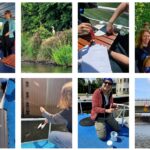
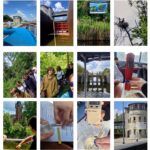
The Blue Lights project – Our Gardens, Your Oceans (…), Zabrze, Poland
6th April
Ocean Literacy and Earth Day – Learning for a Sustainable Future
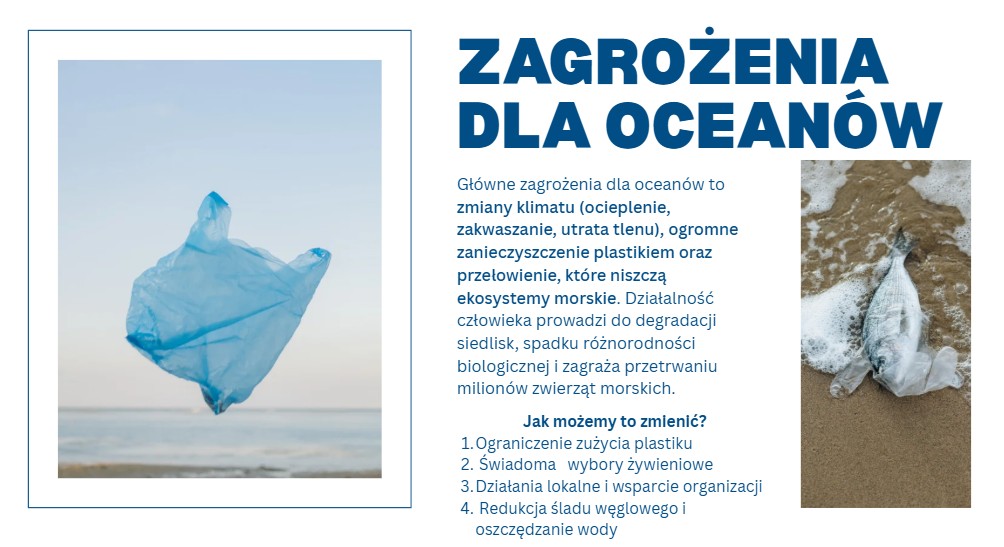
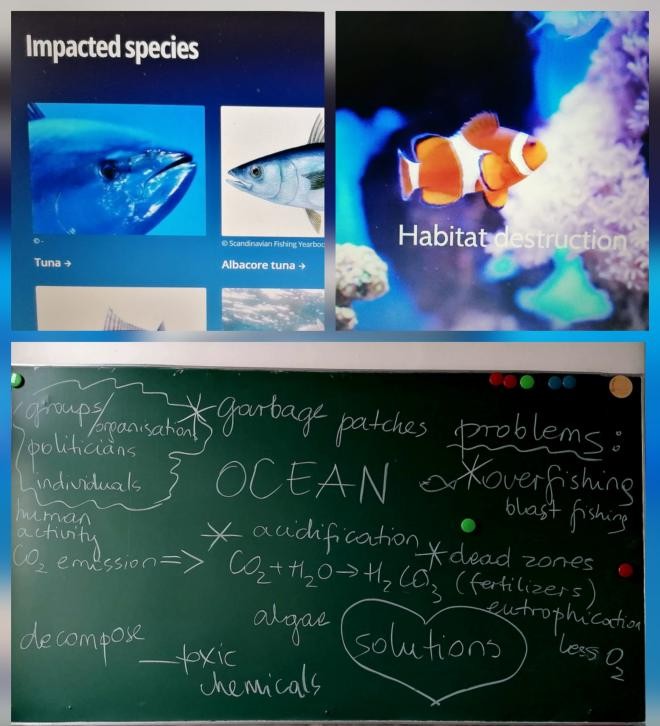
In connection with the upcoming Earth Day, today’s English lessons in classes 4a, 3d, and 1a were dedicated to the protection of life below water and the development of Ocean Literacy competencies.
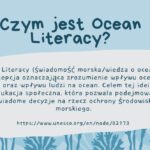
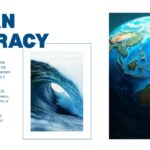
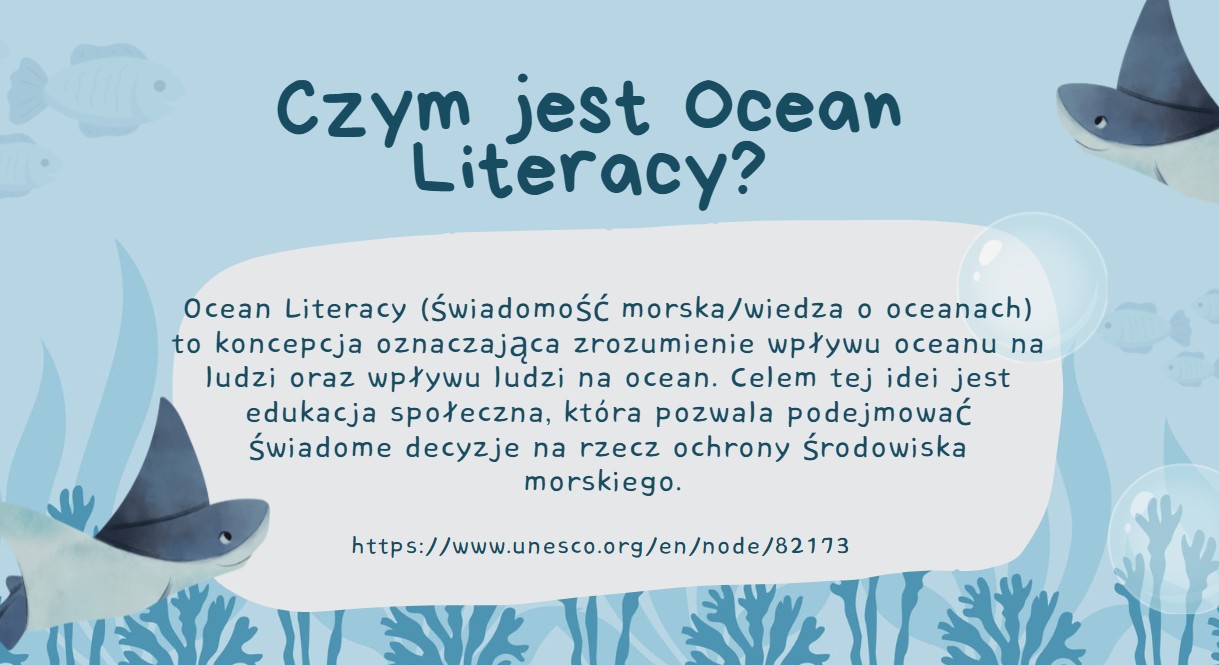
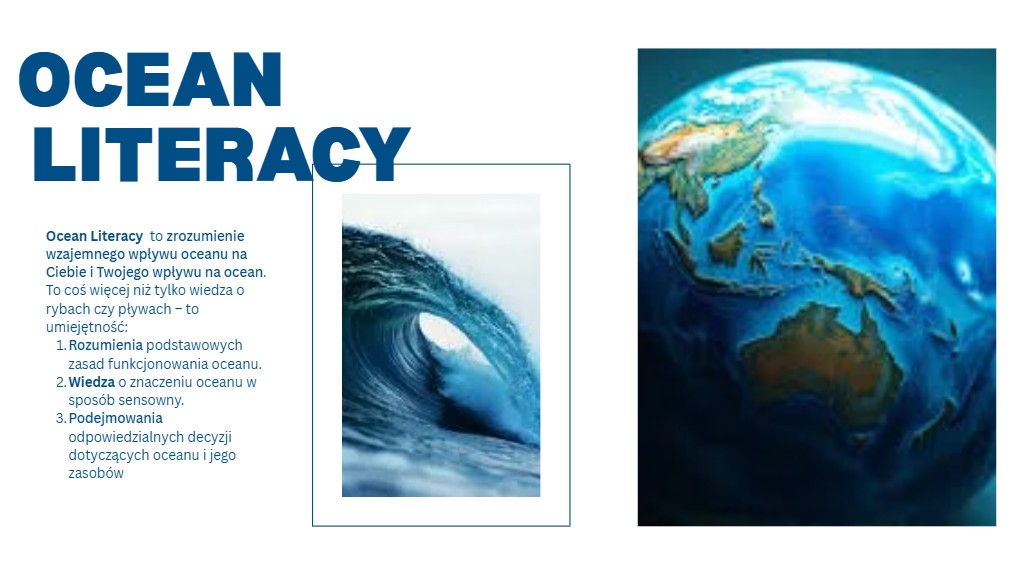
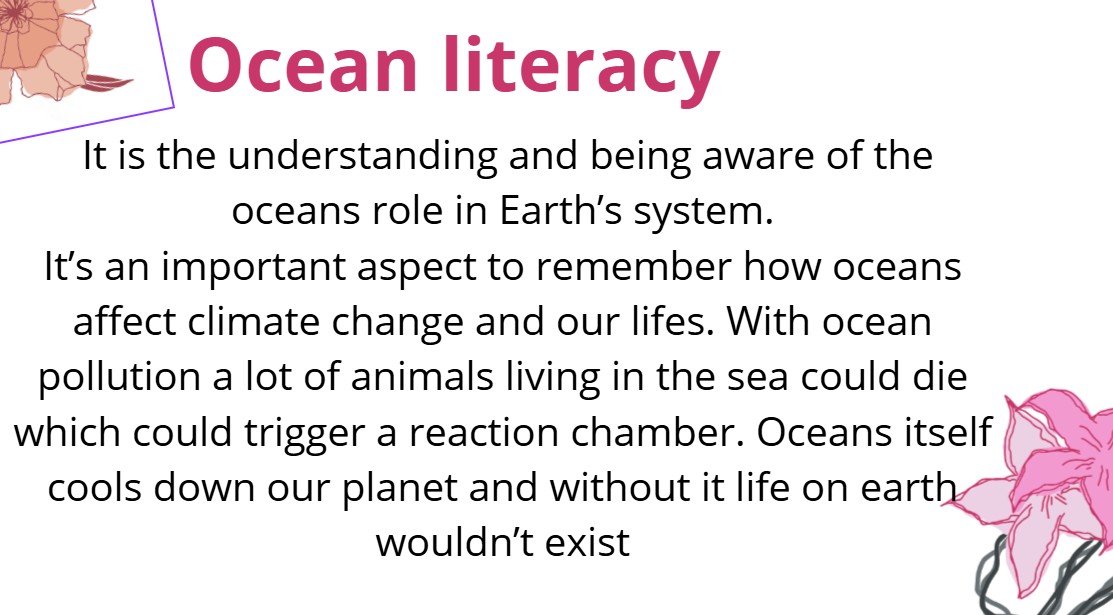
Ocean Literacy refers to a deep understanding of the relationship between humans and the ocean – both how the ocean influences human life (climate regulation, oxygen production, food supply, ecosystem balance) and how human activity impacts marine environments.
In educational terms, these competencies include:
🌊 understanding oceanic and climatic processes,
🌊 awareness of the ocean’s importance for life on Earth,
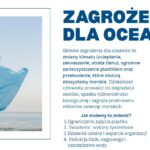
🌊 recognising environmental threats (pollution, climate change, overexploitation), ,
🌊 critical analysis of environmental information,
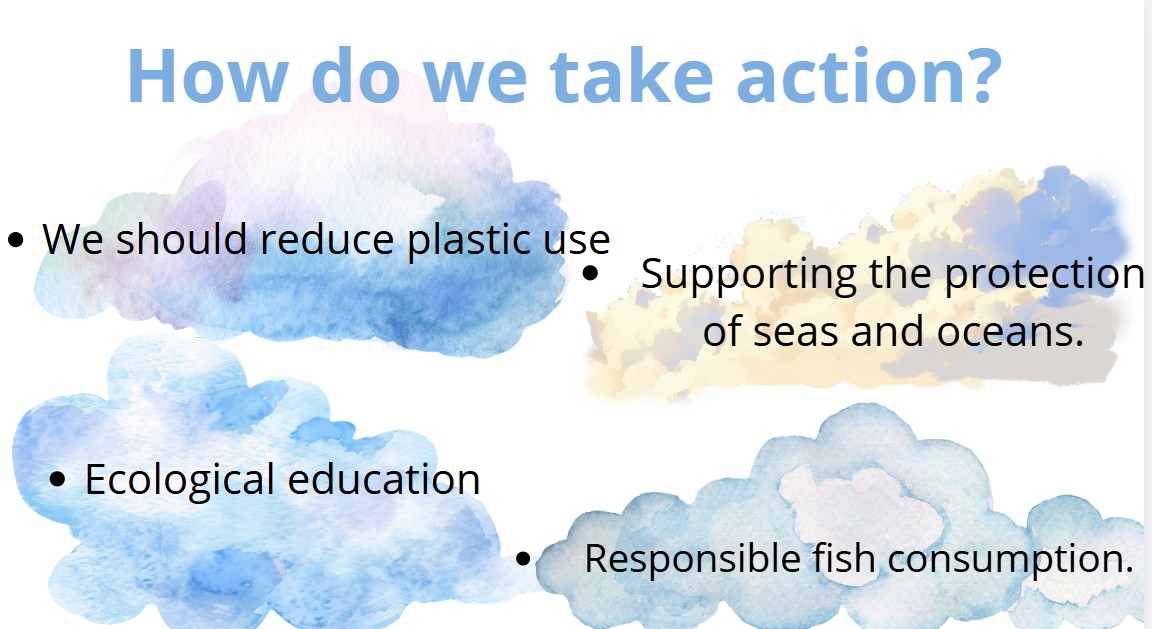
🌊 readiness to take responsible action to protect the environment.
The lesson was conducted using an educational scenario from The World’s Largest Lesson, a global educational initiative linked to the United Nations Sustainable Development Goals (SDGs) and supported by organisations such as UNESCO and UNICEF.
Its aim is to provide teachers worldwide with ready-made resources that help students understand global challenges and their role in addressing them. During the lesson, students developed Ocean Literacy competencies in practice by analysing environmental issues, using English in the context of real-world global challenges, and reflecting on possible actions to protect the oceans.
The development of this knowledge among our high school students is also connected to the implementation of the international BlueLightS project, within which our school received a grant for the project: “Our Gardens, Your Oceans – Connecting Local Biodiversity with Global Water Awareness” The project was selected in the international BlueLightS / BlueChallenges – BlueSchools grant competition and received funding of 2000 EUR, financed by the European Union under the Horizon Europe programme.
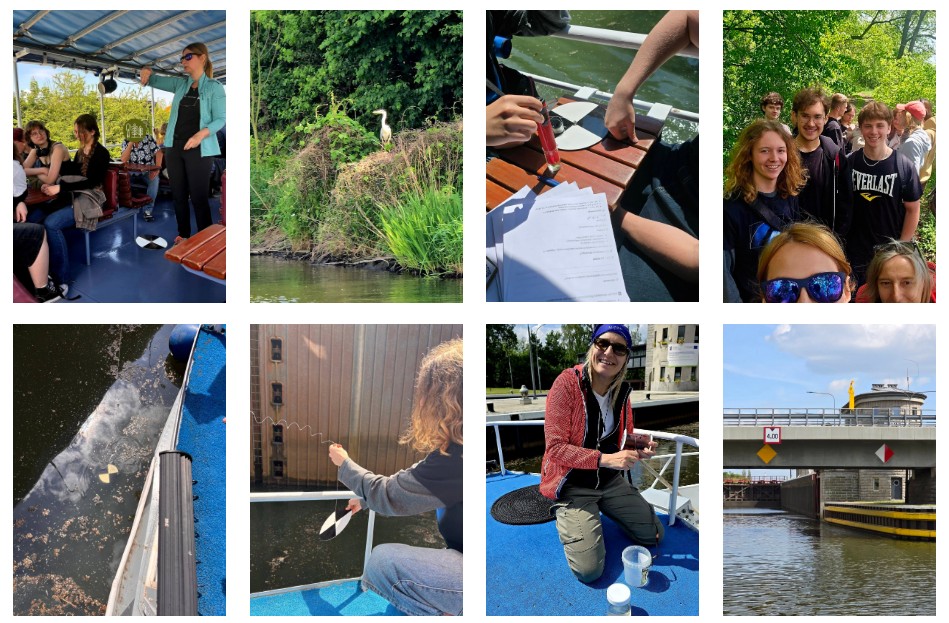
Its main aim is to develop water and environmental education while supporting activities focused on the protection of water resources and biodiversity. Within the project, students engage in environmental observation, citizen science activities, and educational initiatives that connect local biodiversity with global ocean awareness, fostering responsibility and environmental consciousness on both local and global levels.
Beata Dziembała, Katarzyna Kwiatek-Grabarska
![]()







Katarzyna Kwiatek-Grabarska
Geography and Computer Science Teacher