Aqua Lab on the Road
Objectives of the project
Aqua Lab on the Road aimed to strengthen students’ water and ocean literacy by connecting classroom learning with the local aquatic environment around Vila Real, Portugal. Developed in an inland rural region where sustainable water management is closely linked to agricultural practice, the project encouraged students to investigate local rivers, understand water quality, and reflect on the importance of responsible water use. It also aimed to promote scientific literacy, environmental responsibility, active citizenship, and interdisciplinary learning across science, digital literacy, communication and art.
Activities
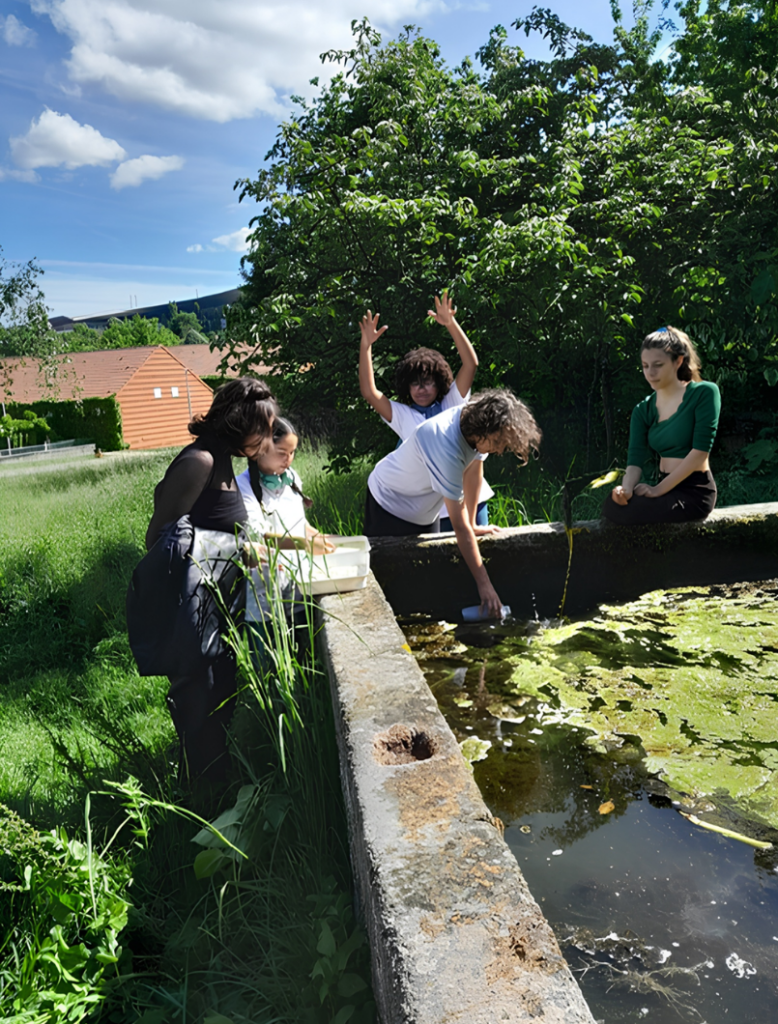
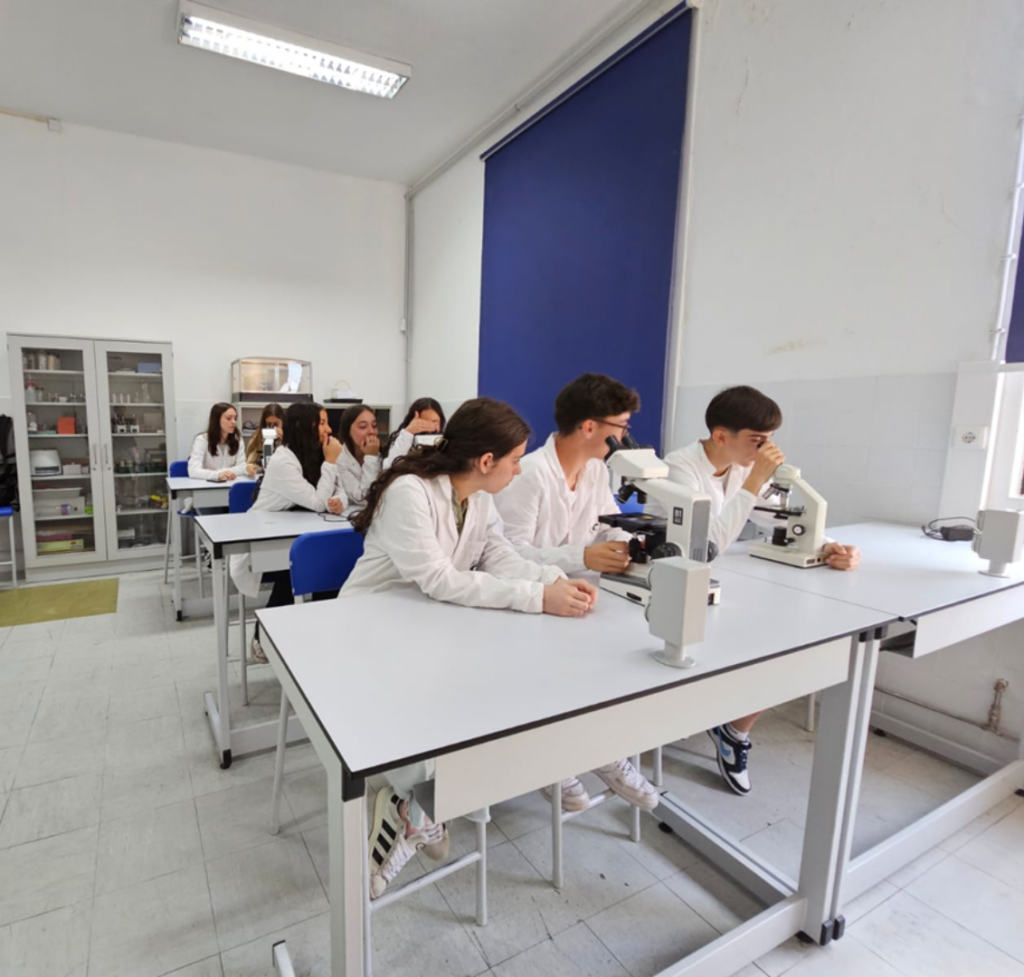
Students aged 12 to 17 collected water samples from local rivers and analysed physical, chemical and microbiological indicators using a portable water-quality kit and microscopes. The activities were carried out through a citizen-science approach in collaboration with the University of Trás-os-Montes e Alto Douro and local environmental entities. Students also interpreted the data, produced dissemination materials, and shared their findings through public presentations and school media.
Expected outputs
The project produced scientific reports, posters, an interactive website, an eBook on good water-conservation practices, and school-media content through Camilo on Air. These outputs were used across science, arts, geography and language classes, as well as through the school’s Science Club, helping integrate the project into both curricular and extra-curricular activities.
Impact
The project directly involved 63 students from 8th to 11th grade in water sampling, laboratory analysis, data interpretation and dissemination activities, while the wider school community was reached through broadcasts and public dissemination. It strengthened students’ water and ocean literacy, laboratory and digital skills, critical thinking, collaboration, communication, project management and active citizenship. It also reinforced partnerships with UTAD and local environmental entities, supported gender equity in STEM, encouraged more responsible water-use habits among students and families, and contributed to interdisciplinary curricular integration.