Objectives of the Project
The project aimed to enhance students’ understanding of marine ecosystems, biodiversity, and environmental sustainability, with a focus on the Adriatic Sea. It sought to raise awareness about marine pollution, recycling, and human impact on the environment while promoting responsible behaviours. Another key objective was to integrate ocean literacy into different subjects and foster international collaboration through eTwinning activities, encouraging students to become active and environmentally conscious citizens.
Activities
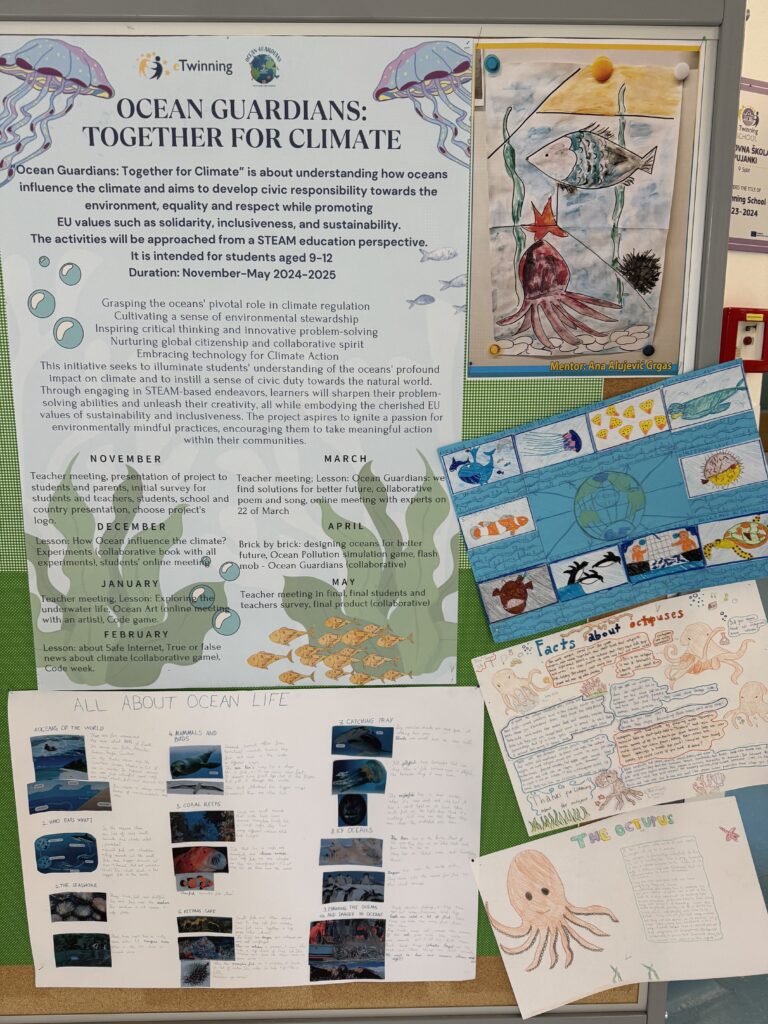
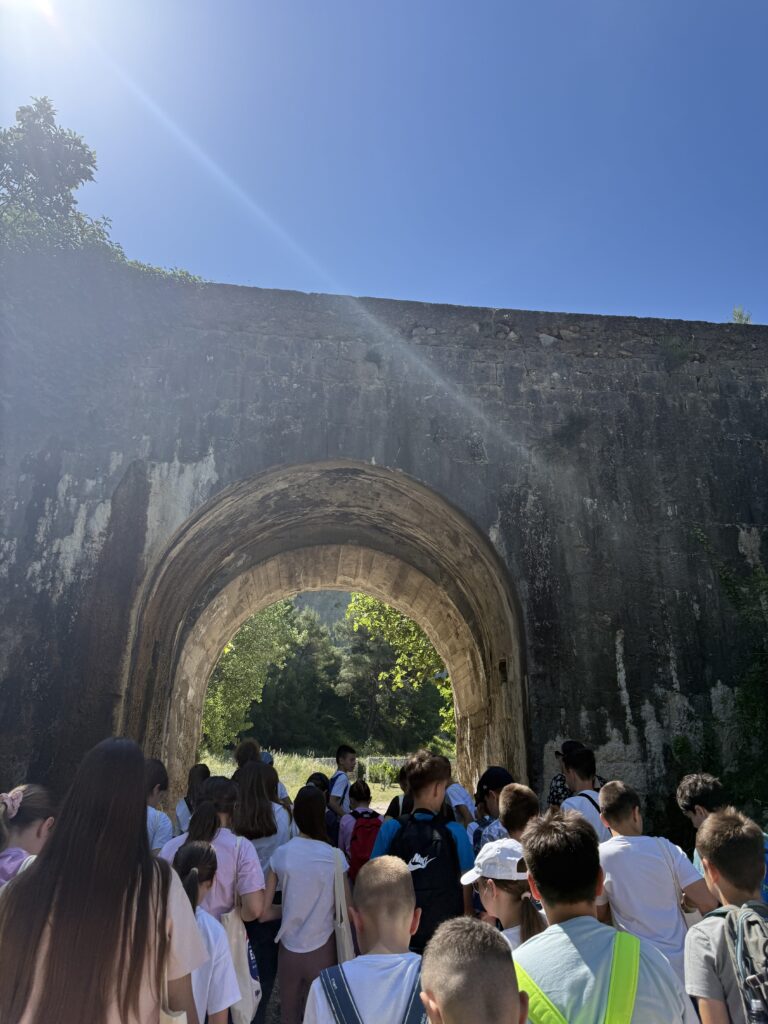
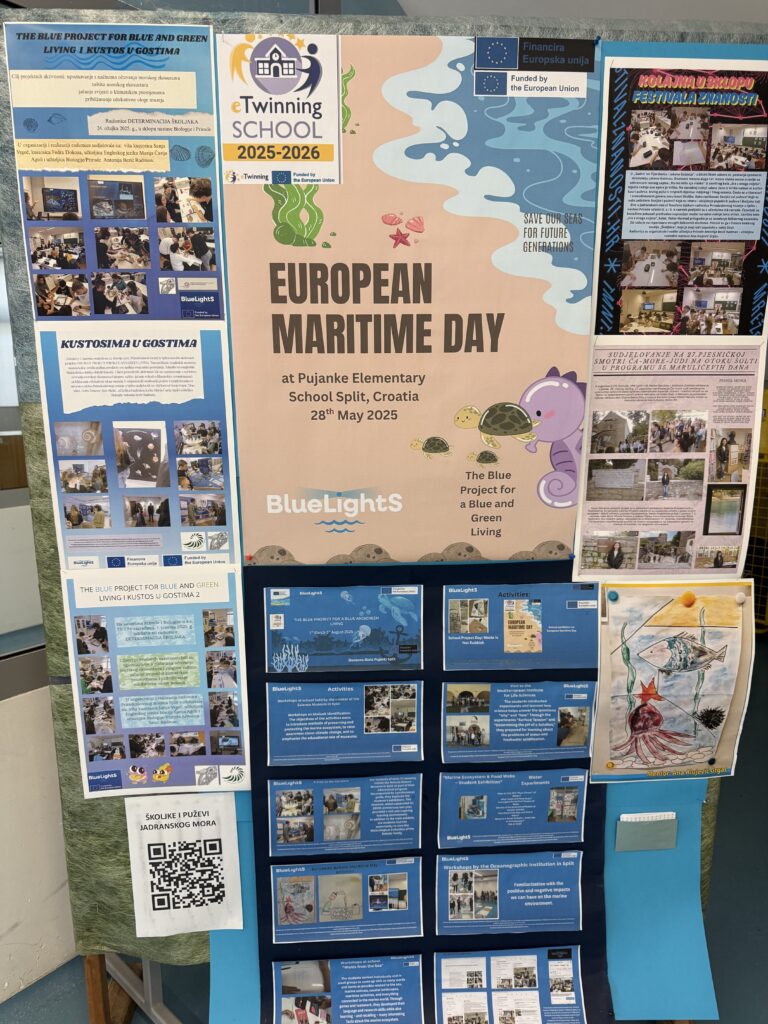
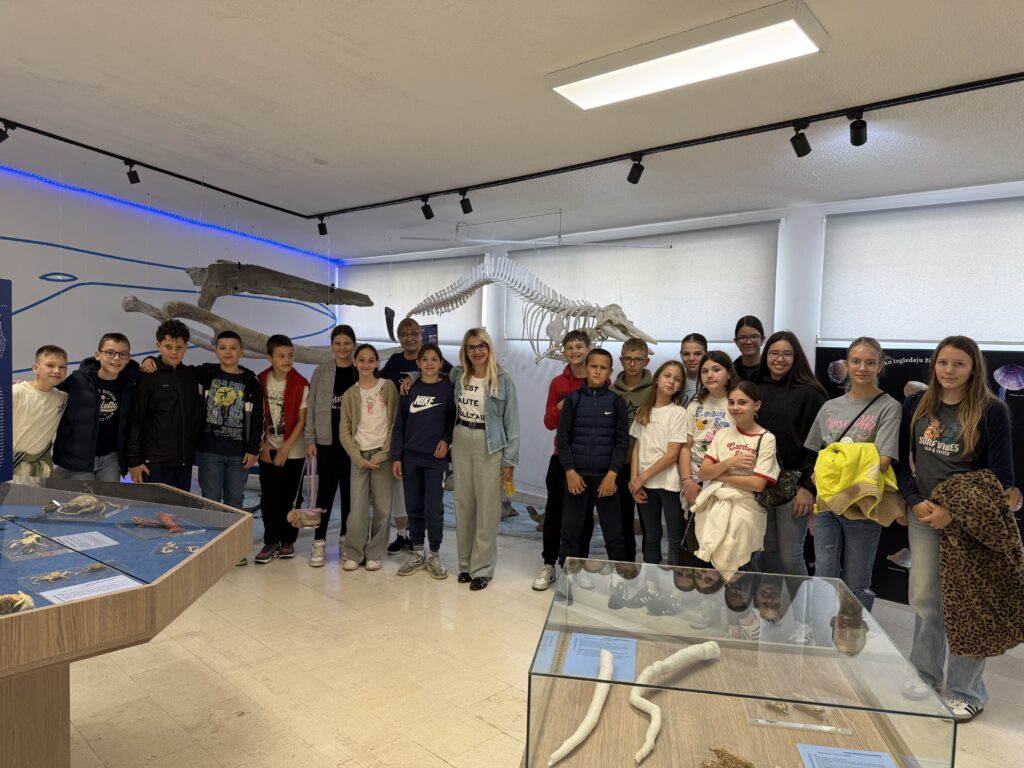
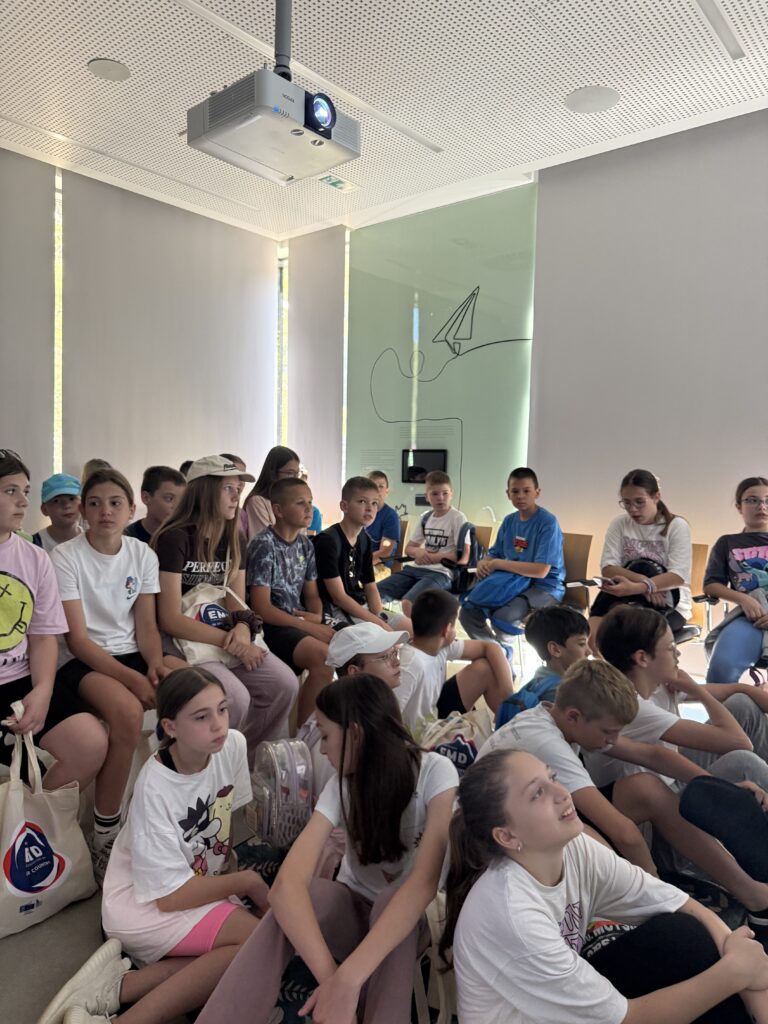
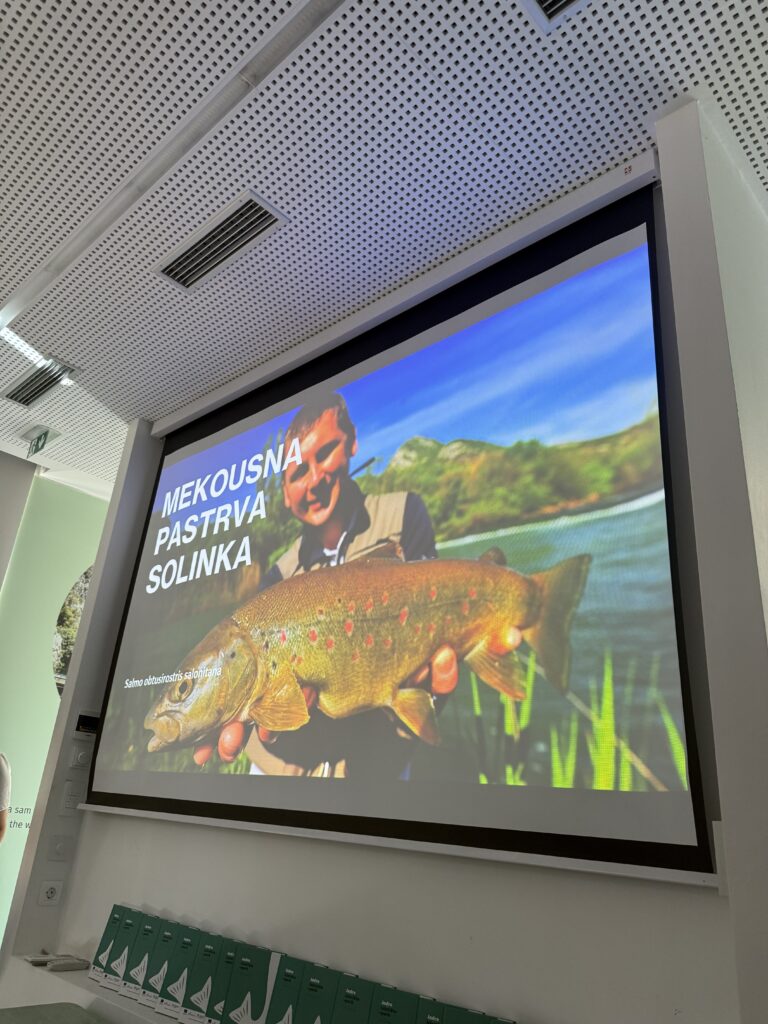
The project included a wide range of interdisciplinary activities carried out both indoors and outdoors. Students participated in workshops on Adriatic Sea shells, recycling, and marine ecosystems, as well as laboratory experiments. They visited the Natural History Museum in Split and Jadro River Park, where they conducted field observations and learned about local biodiversity. Additional activities included a school exhibition for European Maritime Day, reading and presenting educational materials, and participating in the international eTwinning project “Ocean Guardians,” which involved creating an e-book and attending online sessions with experts. A school project day focused on the theme “Waste is not Rubbish,” complemented by clean-up activities and visits to recycling facilities.
Expected Outputs
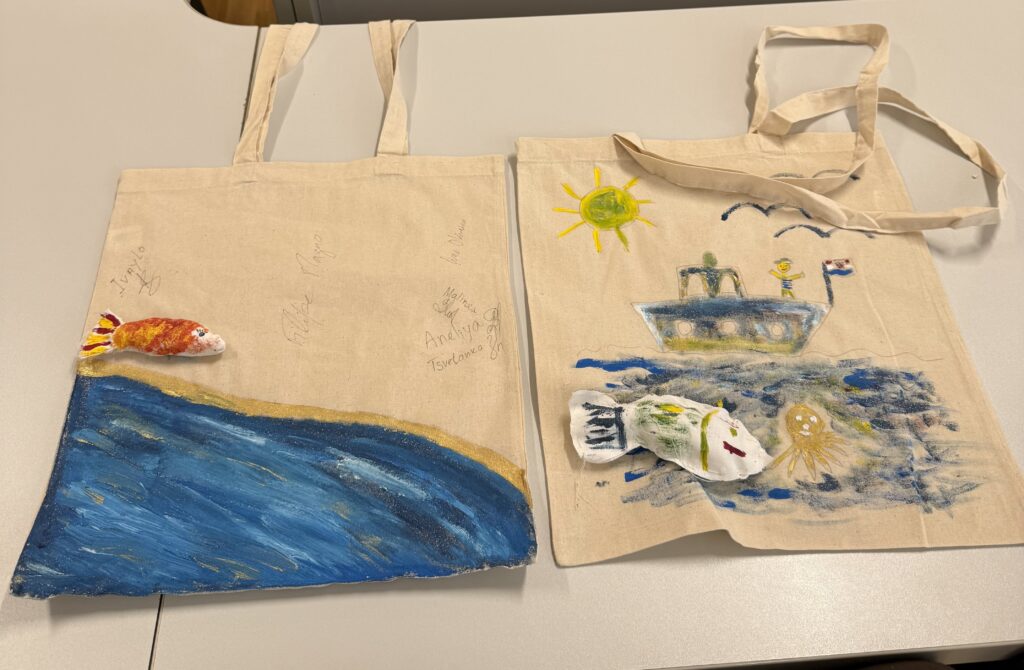
The project produced several educational outputs, including an e-book documenting all project activities and a collaborative eTwinning e-book. Additional outputs included posters, presentations, and a Kahoot quiz related to field visits. Students also created awareness materials and participated in exhibitions and public events. These resources were integrated into the school curriculum and shared with the wider community, supporting both formal and informal learning.
Impact
The project engaged a large portion of the school community, with 200 students directly involved and 300 indirectly participating through events and activities. It significantly increased students’ environmental awareness and understanding of marine ecosystems, while also strengthening interdisciplinary learning across subjects such as Biology, English, and Art. Collaboration with external experts and institutions enriched the learning experience, and participation in international initiatives fostered global awareness. The project also contributed to long-term sustainability by embedding its results into the curriculum and promoting ongoing engagement in environmental and ocean-related activities.