Objectives of the Project
The project aimed to investigate microplastic contamination in marine and freshwater environments in Southwest Cyprus while raising awareness of its environmental and human health impacts. It sought to engage students as active citizen scientists through hands-on research, fostering scientific literacy, critical thinking, and environmental responsibility. Another key objective was to connect scientific inquiry with real-world issues, demonstrating how microplastics enter the food chain and encouraging sustainable behaviours within the community.
Activities
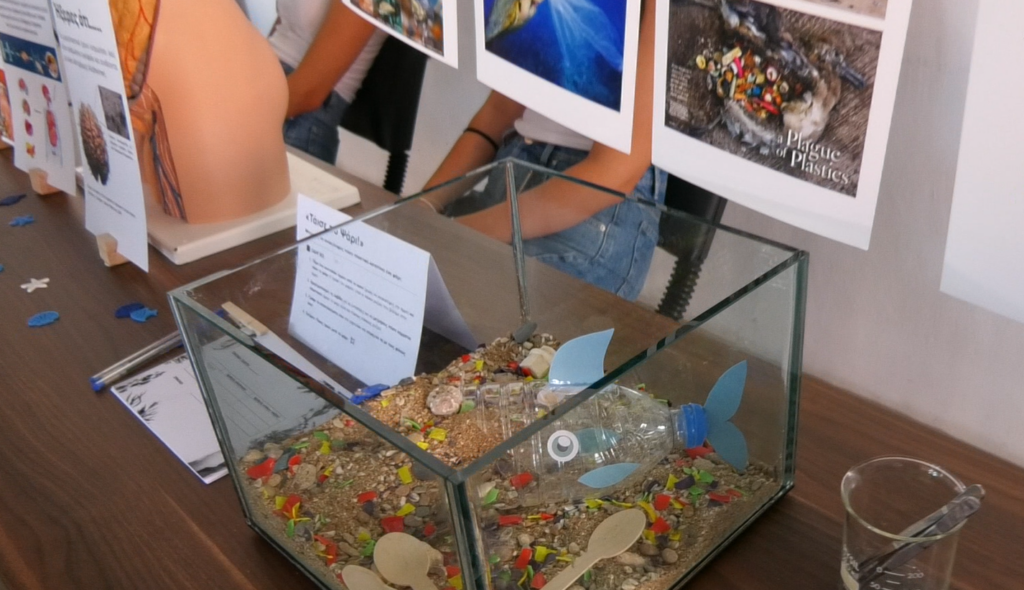
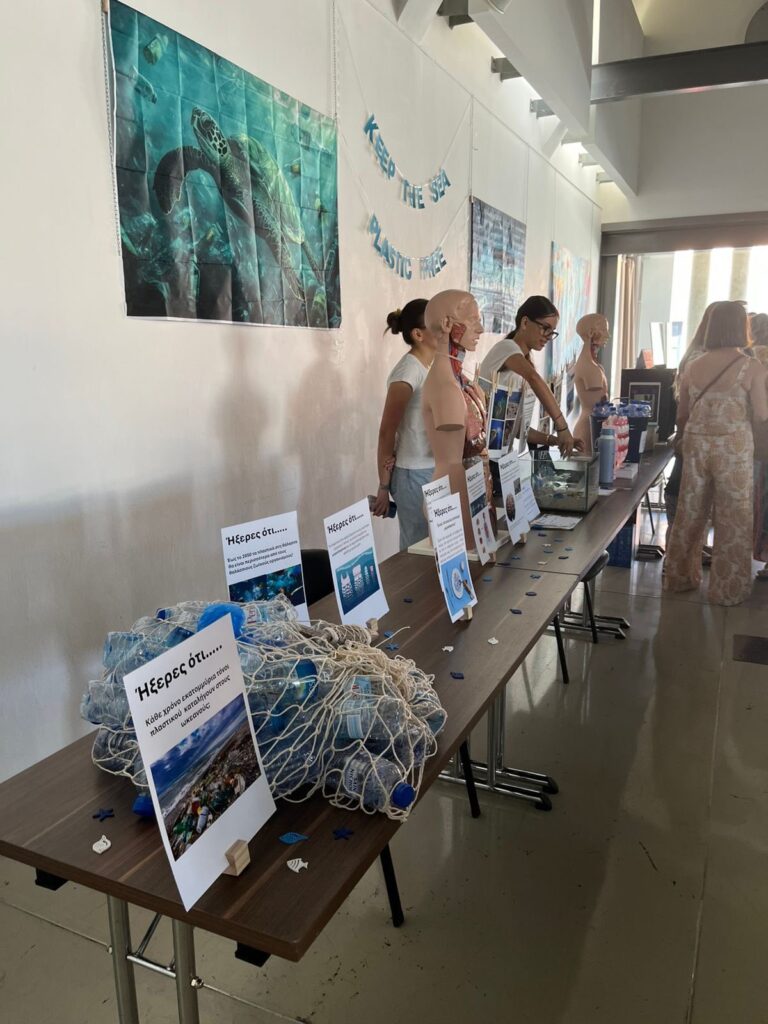
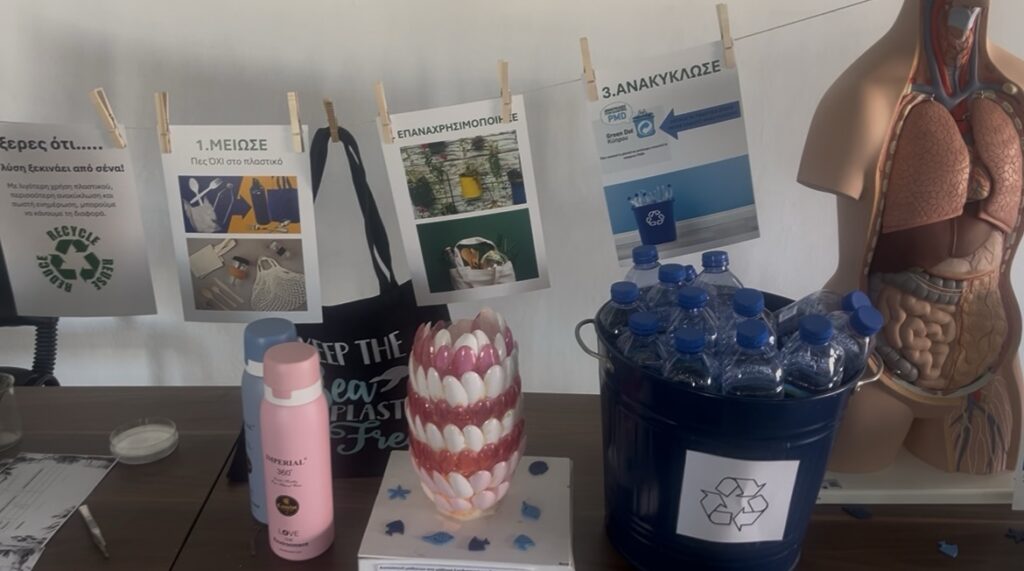
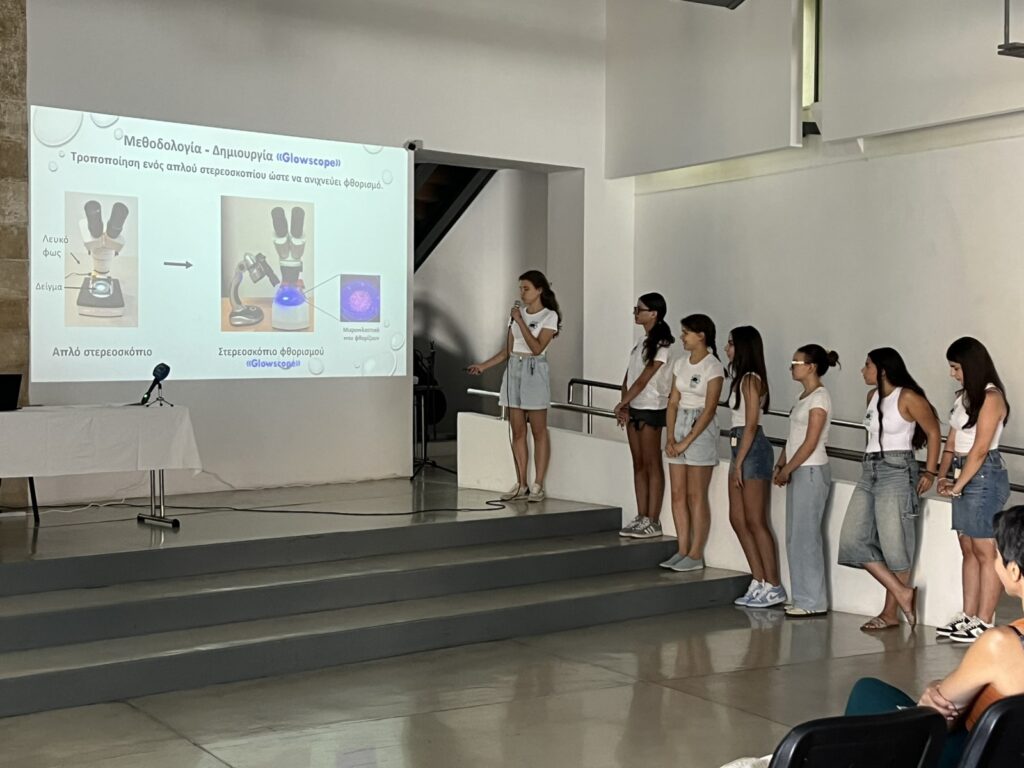
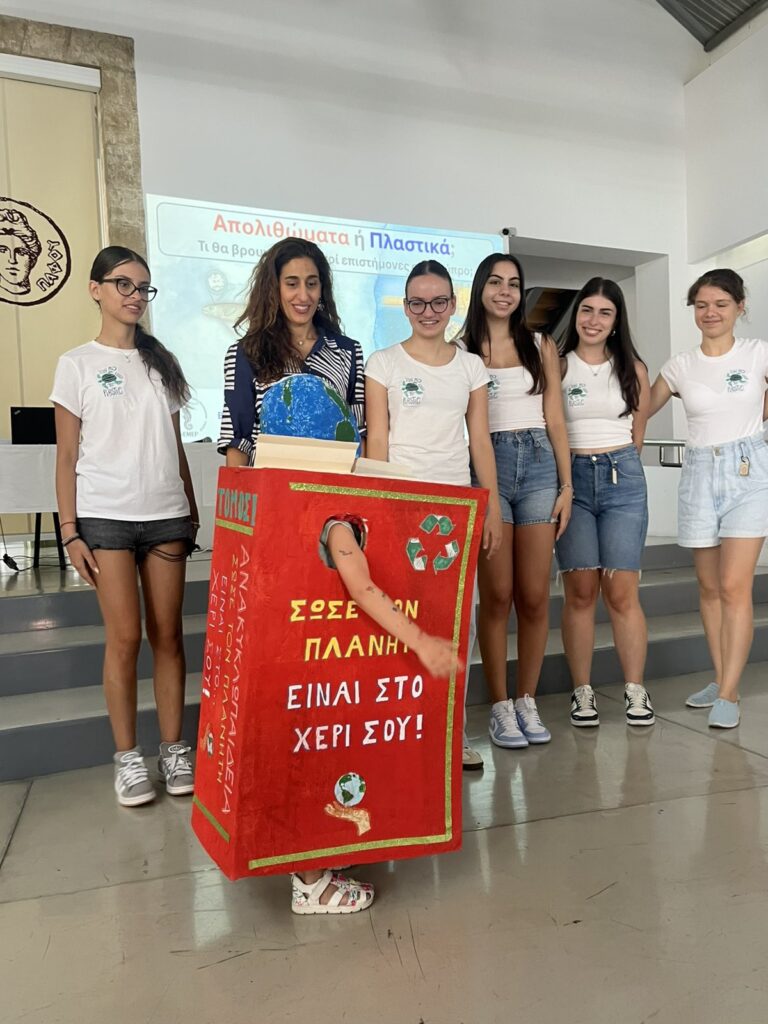
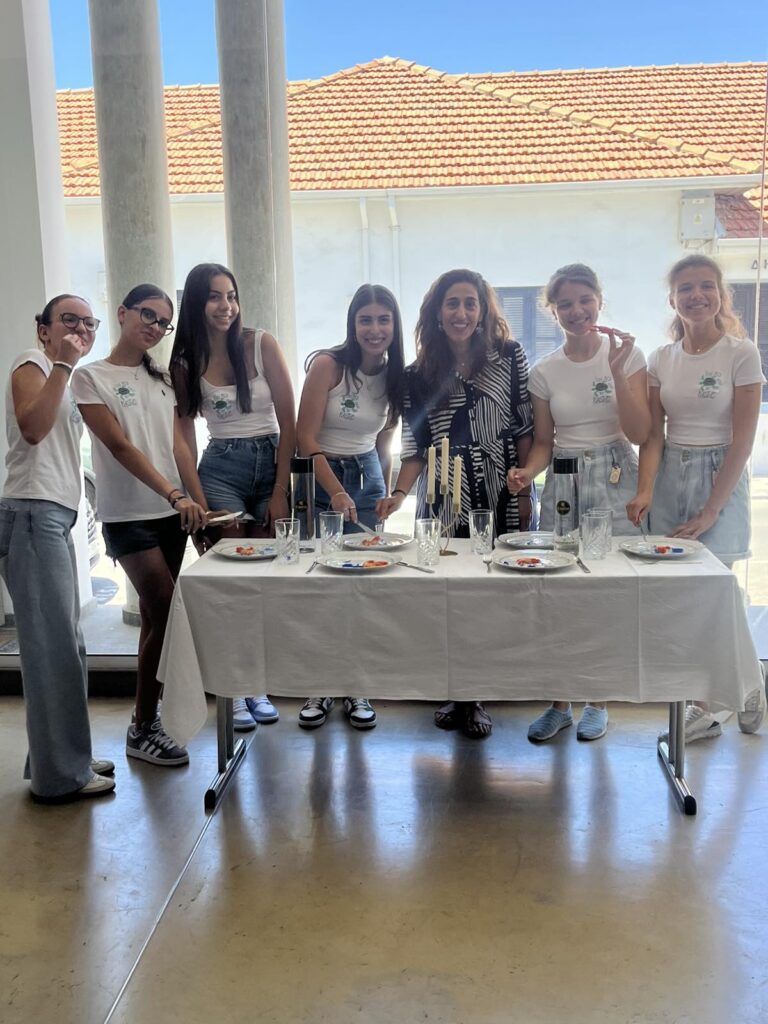
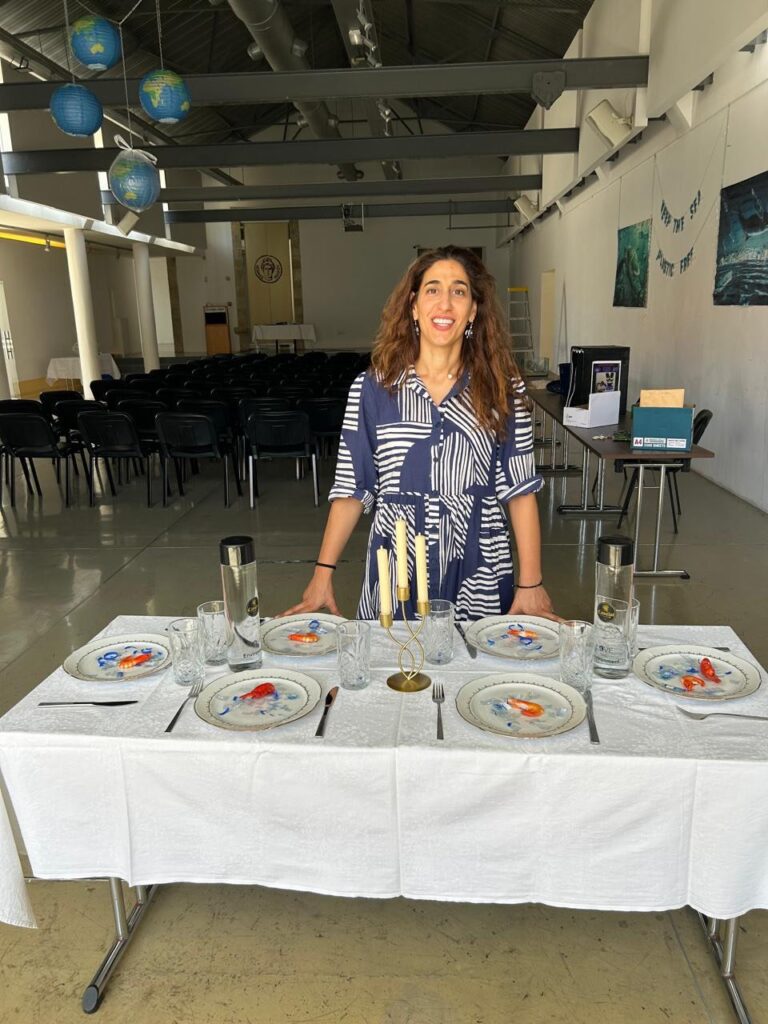
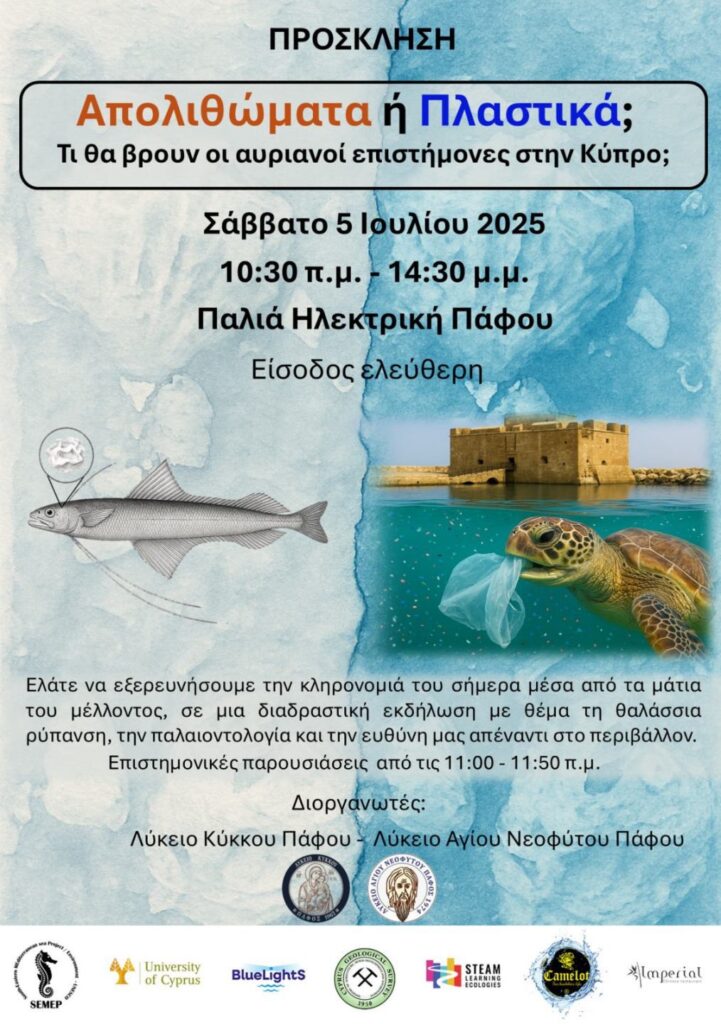
Students conducted fieldwork and laboratory-based research by collecting sand samples, shrimp specimens, and tap water filters from local sources. They collaborated with teachers, university researchers, fishermen, companies, and the local community to support data collection and analysis. Using the scientific method, students stained samples with Nile Red dye and analysed them using a self-constructed fluorescent stereoscope (“Glowscope”). The project also included interdisciplinary collaboration across subjects such as Biology, Chemistry, Physics, ICT, and Art, as well as public dissemination through exhibitions, science fairs, and a community event co-organised with the municipality.
Expected Outputs
Key outputs included a structured scientific methodology for detecting microplastics, a student-built “Glowscope” device, and a growing database of analysed samples (MP-bank). Additional outputs comprised scientific posters, graphs, digital portfolios, artistic visualisations, and awareness materials. Educational resources such as lesson plans, research documentation, and outreach materials were developed and shared in open formats to support replication by other schools and integration into curricula.
Impact
The project significantly enhanced students’ scientific and digital skills, including experimental design, data analysis, and critical thinking. It increased awareness of microplastic pollution within the school and the wider community, strengthening collaboration with local stakeholders and institutions. Students were empowered as citizen scientists, actively contributing to research and public education. The project also achieved broader recognition through participation in national and international networks, promoting long-term sustainability, replication, and integration into interdisciplinary education.