Objectives of the project
The project aimed to deepen students’ understanding of the Baltic Sea ecosystem, its history, and conservation challenges through a multidisciplinary course combining biology, geography, history, and art. It also sought to provide hands-on field research experience, strengthen environmental literacy, and produce educational materials that could be shared within the school community and beyond.
Activities
The project began with a series of pr: eliminary lectures on the geography and nature of the Archipelago Sea and the history of Seili Island. Students then participated in preparatory sessions to develop projects across different subjects, accompanied by a Baltic Sea–themed quiz. The highlight was a field course on Seili Island at the Archipelago Research Institute, where students collected littoral flora and fauna, identified species in the lab using microscopy, and learned about restoration ecology by visiting actively restored landscapes.
Due to lab time constraints, only one full day of seawater laboratory access was available, which limited the depth of species studies but did not hinder the overall learning experience.
Expected outputs
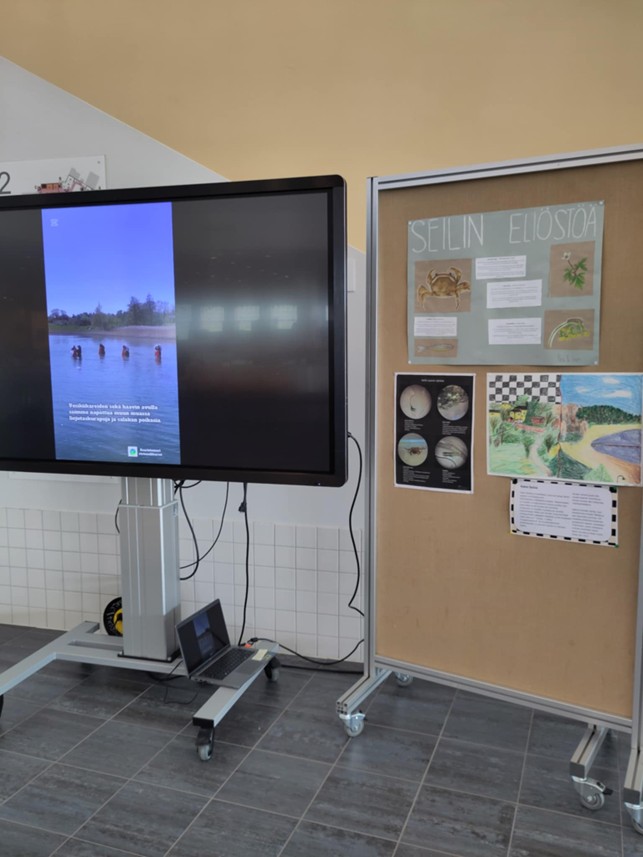
Expected outputs included student projects, visual materials, and documentation from the field course; an exhibition presented at the school; reusable programs for the course and field days; and online materials shared via social media. These outputs were intended to support future iterations of the course and to inspire other schools to implement similar Baltic Sea–focused activities.
Impact
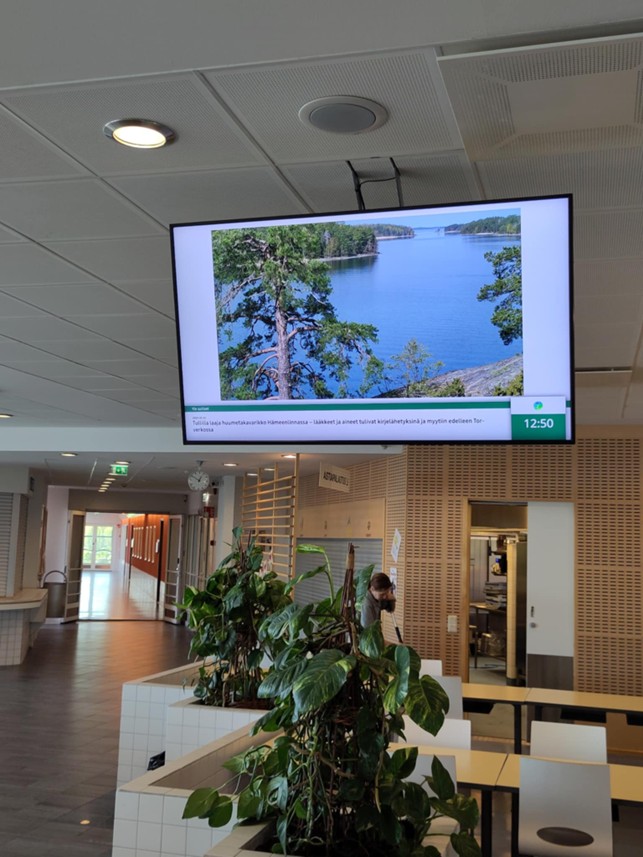
Twenty students were directly involved in the course, with the number limited by the laboratory’s capacity. Around 400 students viewed the week-long school exhibition, complemented by wider public engagement through the school’s Facebook and Instagram accounts. The project increased awareness of Baltic Sea ecology, provided valuable field-based learning, and strengthened the school’s commitment to continuing the course every two years. The published virtual field course and shared materials also broadened the project’s reach beyond the immediate school community. (Facebook and Instagram),
Virtual Field Course Video / Photographs from Seili Island (student Emilia Valde)