Objectives of the project
The project aimed to document students’ attitudes and perceptions about marine issues and to raise awareness within both the school and the wider community. Focused on 16-year-old students, it examined the impact of human activities—especially coastal tourism—on the Gulf of Elounda, a closed and sensitive marine ecosystem in eastern Crete. Through an interdisciplinary approach combining biology, technology, mathematics, and music, and in collaboration with the Hellenic Centre for Marine Research (HCMR), the project sought to deepen ocean literacy and promote responsible environmental behaviour.
Activities
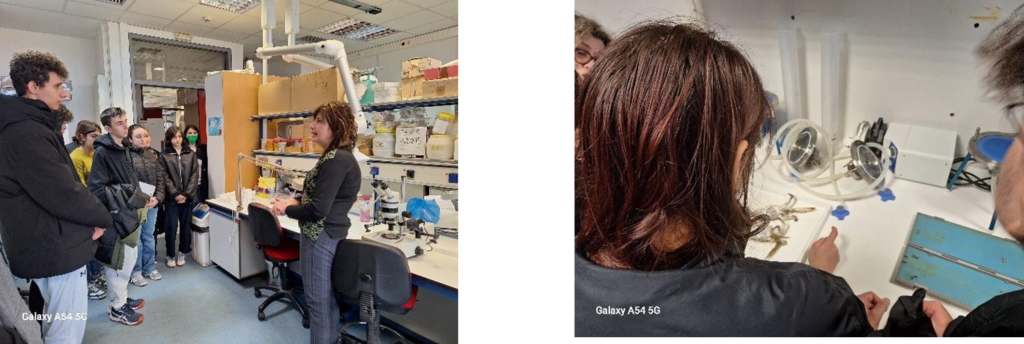
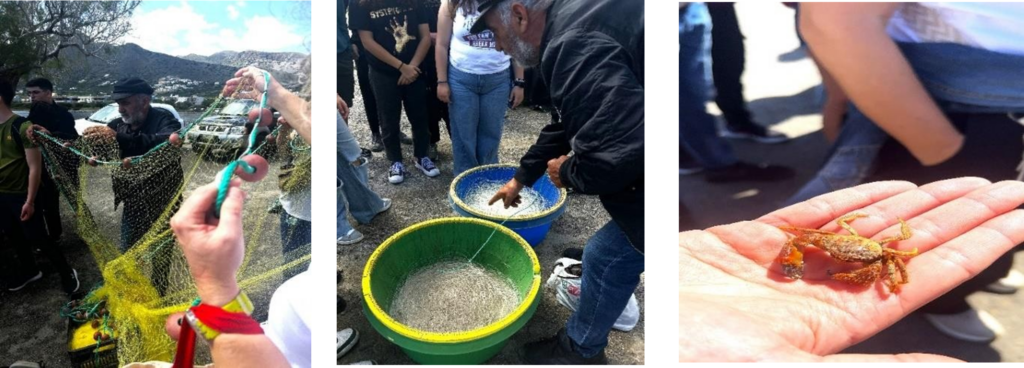
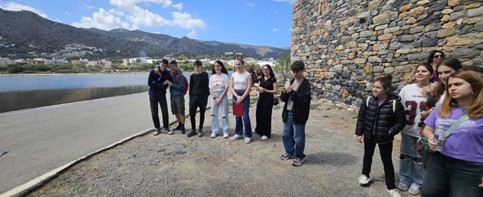
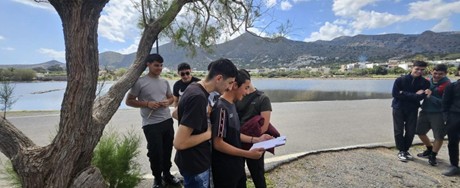
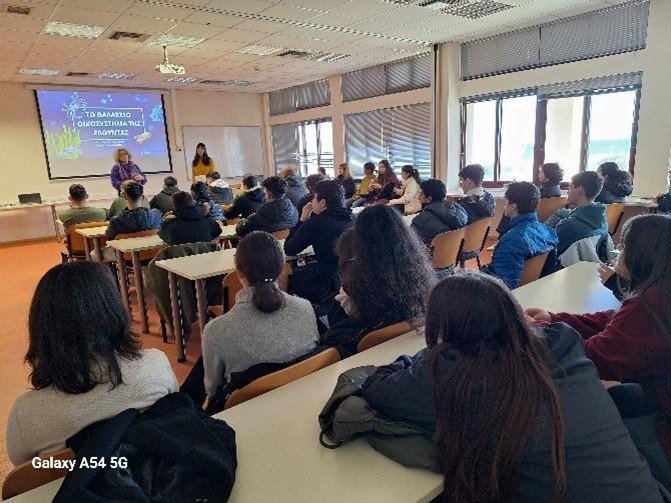
Students participated in a wide range of experiential activities. These included laboratory sessions at HCMR for microscopic and macroscopic observation of marine organisms, familiarization with scientific instruments, and a field visit to the Gulf of Elounda, where they conducted on-site ecosystem observations and interacted with fishermen, hotel employees, and local authorities. Pre- and post-questionnaires measured shifts in knowledge and attitudes.
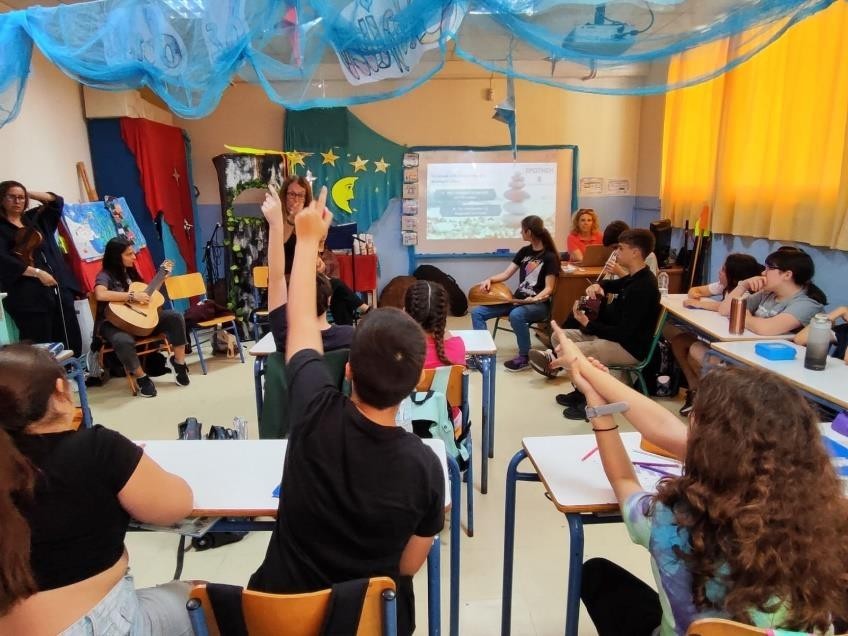
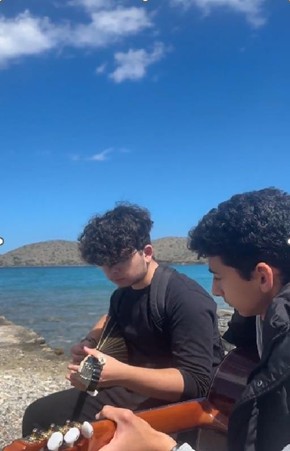
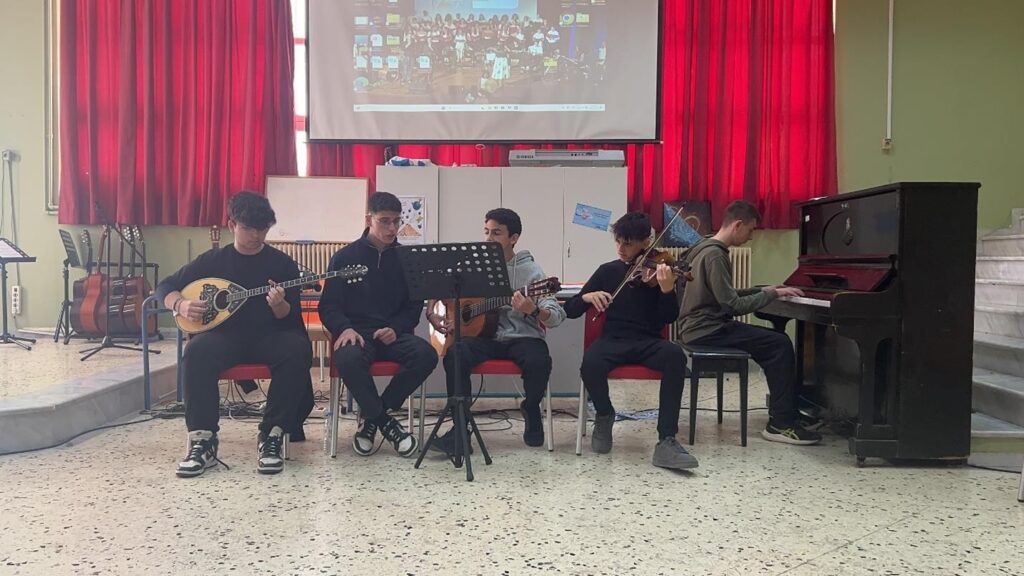
Collaboration with Blue Schools (2nd Gymnasium of Agios Nikolaos and the Primary School of Gouves) expanded the learning experience through a custom educational quiz about the Elounda ecosystem and a music-playlist exchange. Students shared musical works inspired by the marine environment across genres ranging from Greek folk to classical and jazz. Community outreach was supported through public dissemination on social media.
Expected outputs
The project generated questionnaires, an educational quiz, field-study observations, and a large curated playlist of sea-themed music across traditional, classical, modern, and international genres. These outputs help integrate ocean literacy into both science and music education. Digital materials and project highlights were disseminated through YouTube and Facebook to ensure accessibility and wider community engagement.
Impact
The project fostered interdisciplinary learning and strengthened students’ scientific skills, cultural engagement, and environmental awareness. Interactions with researchers and local stakeholders helped students better understand human–environment interactions in a real-world context. Collaboration with neighbouring Blue Schools promoted peer learning, while music-based activities created an inclusive, creative entry point into ocean literacy. Public dissemination increased local awareness of marine issues in the Elounda region.